Berberine and Green Tea for Weight Loss: What Trials Found
Berberine and green tea extract are two metabolic-blend ingredients that each carry randomized-trial data for a small weight effect. This page explains what each one does and why they are paired in one blend.
Do berberine and green tea work together for weight loss?
Berberine and green tea each have their own randomised-trial evidence for a small weight effect, but no published trial has tested them together, so a combination claim is an extrapolation rather than a finding. Pooled berberine trials show roughly a 2 kg average edge over control; green tea catechins show about 1.3 kg in one meta-analysis and essentially nothing in a Cochrane pool of non-Japanese trials.
- Berberine has the larger and more consistent pooled effect of the two.
- No randomised trial has tested berberine plus green tea for weight loss.
- The amount on the label, not the ingredient name, decides whether either matters.
Berberine and green tea sit side by side on the ingredient chart of almost every modern metabolic formula, and the implied promise is that the pair does something neither does alone. That promise has never been tested. What has been tested, repeatedly, is each ingredient on its own — so reading those two separate bodies of evidence is the only honest way to judge a product containing both.
What berberine does on its own: the trial evidence
Berberine is a yellow plant alkaloid extracted from species such as Berberis and Coptis, taken orally in hundreds of milligrams per dose and studied far more for blood sugar and blood lipids than for body weight.
The volume of glycaemic work is unusual for a botanical. A 2021 systematic review and meta-analysis pooled 46 randomised controlled trials of berberine in people with type 2 diabetes, examining HbA1c, fasting plasma glucose, two-hour postprandial glucose, insulin resistance and lipid profile together (Guo J, et al. Oxid Med Cell Longev, 2021, PMID 34956436).
On body weight the numbers are smaller and much plainer. A 2020 meta-analysis of 12 randomised controlled trials reported a moderate but statistically significant reduction of about 2.07 kg in body weight, 0.47 kg/m² in BMI and 1.08 cm in waist circumference against control (Asbaghi O, et al. Clin Nutr ESPEN, 2020, PMID 32690176), and a separate 2020 dose-response meta-analysis of berberine and obesity indices reached a similar conclusion from a different pool of trials (Xiong P, et al. Complement Ther Clin Pract, 2020, PMID 32379652). Two kilograms over a trial is real, and it is not a transformation.
One structural fact explains why berberine doses are large and usually split: its oral bioavailability is poor, a long-standing focus of pharmacology research on the compound (Liu CS, et al. Fitoterapia, 2016, PMID 26851175). For the head-to-head against the botanical berberine is most often paired with, our comparison of berberine and cinnamon on blood sugar and weight works through the same trial base in more detail.
What green tea extract does on its own: the trial evidence
Green tea extract is a concentrated preparation of tea catechins, of which epigallocatechin-3-gallate (EGCG) is the most studied, and its measurable effect is on energy expenditure and fuel use rather than on appetite.
The mechanism survives measurement; the size of it is the useful part. A systematic review and meta-analysis of eight randomised controlled trials found EGCG produced a significant mean increase in energy expenditure of about 158 kJ per day — roughly 38 kilocalories — alongside a small drop in respiratory quotient, while the change in measured fat oxidation did not reach statistical significance (Kapoor MP, et al. J Nutr Biochem, 2017, PMID 27883924). Thirty-eight calories a day is about a third of a banana.
On actual weight the literature splits, and both halves deserve to be seen. The optimistic pool is a 2009 meta-analysis of 11 studies, in which catechins or an EGCG-caffeine mixture decreased body weight by about 1.31 kg and helped maintain weight after a loss phase, with habitual caffeine intake and ethnicity acting as moderators (Hursel R, et al. Int J Obes (Lond), 2009, PMID 19597519). The sceptical pool is the Cochrane review of green tea preparations in overweight and obese adults, limited to trials of at least 12 weeks: across six trials conducted outside Japan the mean difference in weight loss was −0.04 kg, with a confidence interval spanning zero (Jurgens TM, et al. Cochrane Database Syst Rev, 2012, PMID 23235664). That is not a small effect; that is no effect.
The fair summary is that green tea catechins do shift energy expenditure, and that the shift is too small to reliably produce weight loss on its own. Our longer piece on green tea extract, EGCG and fat metabolism works through the dosing side of the same question.
Has anyone actually tested berberine and green tea together?
No published randomised controlled trial has tested berberine and green tea extract as a combination for weight loss in humans. Searches of the trial literature return studies of each ingredient separately, plus laboratory and animal work, but no human combination trial with body weight as an outcome. Three things follow, and none of them are reasons to panic — they are reasons to calibrate.
- Additivity is assumed, not measured. Nobody has shown that a 2 kg berberine effect and a 1 kg catechin effect add up to 3 kg. In nutrition they usually do not.
- Interference has not been ruled out either. The absence of combination trials cuts both ways.
- The studied doses were single-ingredient doses. Trial participants took berberine alone, at the full studied amount. A blend that splits its capacity across eight botanicals is not running that protocol.
Berberine vs green tea: which has the better weight-loss evidence?
Berberine has the better weight-loss evidence of the two on both consistency and effect size, though the honest framing is that one small effect is being compared with a smaller one.
| Berberine | Green tea extract (EGCG) | |
|---|---|---|
| Amount used in trials | Roughly 0.9–1.5 g per day, usually split | Extracts delivering a few hundred mg of EGCG per day |
| Best-supported outcome | Glycaemic and lipid markers | Energy expenditure and respiratory quotient |
| Pooled weight effect | About −2.07 kg across 12 trials | About −1.31 kg in one meta-analysis; −0.04 kg in Cochrane's non-Japan pool |
| Consistency | Consistent direction across pools | Split by region and caffeine habit |
| Main caveat | Poor bioavailability; drug interactions | Dose-dependent liver signal at large bolus doses |
Can you take berberine and green tea at the same time?
There is no documented interaction between berberine and green tea catechins themselves, so the practical questions are about each ingredient's own cautions rather than about the pair.
For green tea extract the caution is dose and form. A systematic review of toxicological and human safety data across 159 human intervention studies concluded that hepatic adverse events clustered around concentrated, catechin-rich preparations taken as large bolus doses — not around brewed tea or catechins taken with food — and derived a safe intake level of 338 mg EGCG per day for solid bolus preparations (Hu J, et al. Regul Toxicol Pharmacol, 2018, PMID 29580974). That is actionable: check the EGCG figure, and take it with food. More broadly, herbal and dietary supplements account for around 20 per cent of hepatotoxicity cases in the United States, with green tea extract named among the major implicated agents (Navarro VJ, et al. Hepatology, 2017, PMID 27677775).
For berberine the caution is medication: it lowers blood sugar and affects how the body handles a number of prescription drugs. The full picture for a blend containing both sits in our LipoBliss side effects and safety guide.
What the evidence shows — and what it does not
What it shows. Berberine improves glycaemic and lipid markers across a large body of randomised trials, and produces a small average reduction in body weight, BMI and waist circumference. EGCG measurably raises daily energy expenditure by a small amount, and catechin preparations have produced a small weight difference in at least one substantial meta-analysis.
What it does not show. That the two together do more than either alone — no trial has asked. That either approaches the effect of diet change, physical activity or prescription weight-loss medication. That a finished multi-ingredient product delivers the amounts the trials used. Nothing here supports a claim that either ingredient treats, cures or prevents any disease.
How to read a berberine and green tea label
- Find the berberine number and compare it against the roughly 900–1,500 mg daily total used in trials. A proprietary blend with no individual amounts makes the comparison impossible.
- Find the EGCG number, not the green tea number. "Green tea extract 300 mg" tells you nothing without a catechin or EGCG percentage.
- Check servings per day. A daily total split across two or three doses matches how berberine was actually studied.
- Count the caffeine. Some green tea extracts are decaffeinated and some are not.
For a worked example on a real ingredient chart, see our breakdown of what is actually inside the LipoBliss formula.
Common mistakes when stacking berberine and green tea
- Judging by ingredient name instead of amount. Both appear on thousands of labels at amounts no trial would recognise.
- Taking a whole day's berberine in one hit. Trials split the dose, and the reason is your stomach.
- Taking concentrated green tea extract fasted. That is the exact pattern associated with the hepatic signal in the safety literature.
- Expecting a scale change in two weeks. The trials that found anything ran 12 weeks or longer; our guide to how long weight-loss supplements take to work sets out a realistic timeline.
- Treating either ingredient as a substitute for a prescription. Adjusting a diabetes or blood-pressure medication because you started a supplement is the genuinely dangerous mistake here.
Who should be cautious with a berberine and green tea combination
Talk to a clinician first if you are pregnant or nursing, take glucose-lowering medication (berberine pushes the same direction), take prescription drugs metabolised by the liver, have liver disease or a history of raised liver enzymes, or are sensitive to caffeine. This is standard due diligence for a concentrated botanical, and it is not medical advice.
The bottom line on berberine and green tea for weight loss
Berberine and green tea are the two most defensible ingredients in a metabolic blend, and defending them accurately means keeping the numbers small: about two kilograms pooled for berberine, and for green tea a record running from roughly one kilogram down to nothing. Together, they have never been studied. If a product containing both helps, it will help at the margins of a diet and activity change you were making anyway, and only if the label numbers are close to the ones the trials used.
References
- Guo J, et al. The Effect of Berberine on Metabolic Profiles in Type 2 Diabetic Patients: A Systematic Review and Meta-Analysis of Randomized Controlled Trials. Oxid Med Cell Longev, 2021. PMID 34956436
- Asbaghi O, et al. The effect of berberine supplementation on obesity parameters, inflammation and liver function enzymes. Clin Nutr ESPEN, 2020. PMID 32690176
- Xiong P, et al. The effect of berberine supplementation on obesity indices: a dose-response meta-analysis. Complement Ther Clin Pract, 2020. PMID 32379652
- Liu CS, et al. Research progress on berberine with a special focus on its oral bioavailability. Fitoterapia, 2016. PMID 26851175
- Kapoor MP, et al. Physiological effects of epigallocatechin-3-gallate (EGCG) on energy expenditure for prospective fat oxidation in humans. J Nutr Biochem, 2017. PMID 27883924
- Hursel R, et al. The effects of green tea on weight loss and weight maintenance: a meta-analysis. Int J Obes (Lond), 2009. PMID 19597519
- Jurgens TM, et al. Green tea for weight loss and weight maintenance in overweight or obese adults. Cochrane Database Syst Rev, 2012. PMID 23235664
- Hu J, et al. The safety of green tea and green tea extract consumption in adults. Regul Toxicol Pharmacol, 2018. PMID 29580974
- Navarro VJ, et al. Liver injury from herbal and dietary supplements. Hepatology, 2017. PMID 27677775
Frequently asked questions
Is berberine or green tea better for weight loss?
Berberine has the larger and more consistent pooled effect. A meta-analysis of 12 randomised trials put berberine at about 2.07 kg below control, while the best-known green tea meta-analysis put catechin preparations at about 1.31 kg and a Cochrane pool of trials run outside Japan found essentially no difference. Neither is large, and berberine carries more drug-interaction caution.
Has berberine and green tea been tested together in a weight-loss trial?
No published randomised controlled trial has tested berberine and green tea extract as a combination for weight loss in humans. They appear together in commercial formulas and each has its own trial record, but the pair itself has not been studied. Any claim that the combination beats either ingredient alone is an extrapolation rather than a finding.
How much berberine and green tea did the studies actually use?
Berberine trials generally used roughly 900 to 1,500 mg per day, split into two or three doses because berberine is poorly absorbed and hard on the stomach in one hit. Green tea trials used concentrated extracts delivering a few hundred milligrams of EGCG daily. Those totals are what a label should be compared against.
Can you take berberine and green tea at the same time every day?
There is no documented interaction between berberine and green tea catechins themselves. The cautions are separate ones: berberine lowers blood sugar and alters how the body processes several medications, and concentrated green tea extract has a dose-dependent liver signal at large bolus doses taken fasted. Anyone pregnant, nursing or on prescription medication should ask a clinician first.
Why are berberine and green tea used together?
Each has its own randomized-trial evidence for a small weight effect, so the case for pairing them rests on the separate evidence for each ingredient.
Related reading
- Berberine vs cinnamon for blood sugar and weight loss
- Berberine and cinnamon for weight and metabolism: the full evidence review
- Green tea extract and EGCG for fat metabolism
- LipoBliss ingredients: what is actually inside the formula
- The full LipoBliss side effects and safety guide
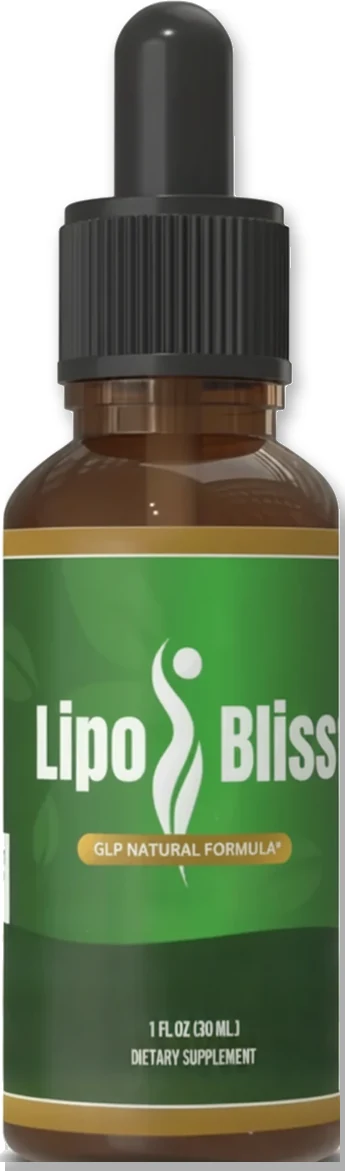
See the full LipoBliss formula and terms
Every botanical on the label, the disclosed amounts, the current bundle pricing and the 60-day money-back guarantee — all on the official store.
Visit the Official Store