Green Tea Extract for Weight Loss: How EGCG Supports Fat Metabolism
Green tea has spent two decades near the top of every fat-burner label, and most of the reason comes down to a single molecule. Here is what EGCG actually does to your metabolism, how large the effect really is, and the point at which the marketing outruns the science.
How does green tea extract help with weight loss?
Green tea extract supports weight loss mainly through EGCG, a catechin that nudges up thermogenesis and fat oxidation. The effect is real but modest, and it is strongest when paired with caffeine, daily movement and a sensible diet. A daily dose of roughly 270 to 400 mg of EGCG reflects the clinically studied range.
- EGCG is the principal active catechin — the total “green tea extract” milligrams on a label tell you far less than the EGCG figure.
- Expect a supporting nudge to fat metabolism, not a stand-alone fat-burner that works without effort.
- The benefit is strongest stacked with garcinia, L-carnitine and consistent physical activity.
When people search for green tea extract for weight loss, they are usually looking for two answers at once: does it do anything, and how much. The honest reply is that it does a little, reliably, and that the “how much” is more important than any other question on the label. Green tea extract is not a shortcut, but it is one of the better-studied plant ingredients in the whole category, and understanding the mechanism tells you exactly what to expect from it — and what never to expect.
EGCG: the one catechin that carries the load
Green tea contains a family of polyphenols called catechins, and four of them show up in almost every discussion: EGC, ECG, EC and, the heavyweight, epigallocatechin gallate — EGCG. EGCG accounts for the majority of a good extract’s activity, and it is the compound that virtually all of the metabolic research has focused on. When a study reports an effect from “green tea,” it is almost always EGCG doing the work, usually with a supporting hand from the leaf’s natural caffeine.
This is why the phrase “green tea extract” on its own is close to meaningless as a dose. A capsule can advertise 500 mg of extract and contain a trivial amount of EGCG, or it can be standardised so that a known percentage — often 45 percent or higher — is EGCG. Two products with identical headline numbers can differ several-fold in the compound that actually matters. The first skill in reading these labels is learning to ignore the big friendly number and hunt for the EGCG figure underneath it.
How green tea catechins support fat oxidation and thermogenesis
There are two mechanisms worth understanding, and neither of them is mysterious. The first is thermogenesis, which simply means the amount of energy your body spends generating heat. EGCG appears to inhibit an enzyme called catechol-O-methyltransferase, or COMT, which is one of the ways your body breaks down noradrenaline. Noradrenaline is a signal that tells fat cells to release their stored fat and tells the body to burn more energy. By slowing the breakdown of that signal, EGCG lets it linger a little longer, which modestly raises energy expenditure over the day.
The second mechanism is fat oxidation — the proportion of the fuel you burn that comes from fat rather than carbohydrate. Controlled studies, several of them measuring fat burning during and after exercise, have found that green tea catechins can shift that balance toward fat. The practical version of this is that a dose of EGCG taken before activity tends to increase the share of energy drawn from fat stores. It does not manufacture a calorie deficit on its own, but it changes what your body reaches for once a deficit exists.
Both effects are best understood as multipliers on top of behaviour rather than replacements for it. Caffeine and EGCG together appear to act synergistically, which is one reason the two are so often paired, and it is also why decaffeinated extracts tend to show weaker results. If you already move your body and watch your intake, catechins give that effort a small tailwind. If you do neither, they have very little to multiply.
Does green tea extract for weight loss actually work?
Here is the part the labels rarely put in plain language. Yes, green tea extract for weight loss works — and the size of the effect is small. Meta-analyses pooling dozens of randomised trials generally find an average weight reduction measured in the low single-digit kilograms over several weeks to months, with a modest bump in daily energy expenditure on the order of a few percent. Those are genuine, replicated findings. They are also nowhere near the transformations implied by the stock photos.
A few percent added to daily energy expenditure is meaningless in a single afternoon and quietly meaningful across a season, provided the rest of your routine is pointed in the same direction. The people who see the most from catechins are those who need them least: they are already active, already eating with some awareness, and the extract is nudging an already-moving system. The people who see nothing are usually expecting the pill to do the moving for them.
That distinction dismantles the first big myth in this category. Green tea extract is not a “fat-burner” in the sense the word implies — it does not incinerate fat while you sit still. It is a metabolic support ingredient with a small, real, dose-dependent effect that shows up as part of a bigger effort. Anyone selling it as more than that is selling the photo, not the molecule.
Want green tea catechins in a once-daily liquid?
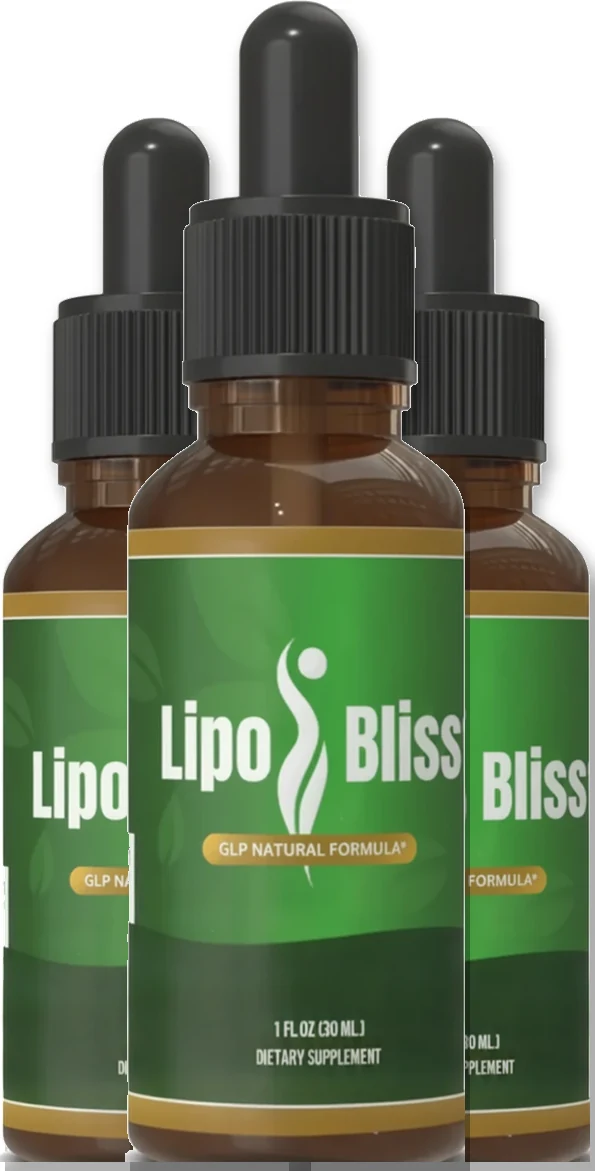
LipoBliss pairs standardised green tea with berberine, cinnamon bark and Panax ginseng in a single drop-under-the-tongue format. See the current label and where to buy the formula from the official store.
Check AvailabilityThe dose that matters: roughly 270 to 400 mg of EGCG a day
If you take one number away from this article, make it this one. The trials that reported meaningful effects on fat oxidation and body weight almost all used EGCG in the region of 270 to 400 mg per day, frequently split across two doses to keep blood levels steadier and the stomach happier. Beneath that range the effect fades toward statistical noise. Above it you gain very little and start collecting the downsides.
This is where label literacy pays off. When you compare products, convert everything to EGCG milligrams before you compare price. A cheap tub of “1,000 mg green tea extract” standardised to a low catechin percentage may deliver less usable EGCG than a smaller, better-standardised dose. Timing helps too: because caffeine and catechins work together and because fat oxidation matters most during activity, many people take their dose in the morning or shortly before exercise, and take it with food to blunt any stomach upset.
A liquid format changes the arithmetic slightly in your favour, because a sublingual dose is easy to take consistently and easy to split. The consistency point is underrated: a perfectly dosed capsule you forget four days a week is worse than a slightly lower dose you actually take every day. Whatever the format, the decisive variables are the EGCG figure and your own adherence.
Why green tea works better in a stack
Green tea rarely appears alone in a serious formula, and there is a good reason for that beyond marketing. Different ingredients act on different links in the same chain, and a small nudge at three points can add up more usefully than a hard shove at one. Catechins shift fuel selection toward fat and lift energy expenditure a little; other ingredients approach the problem from the appetite side or the fuel-transport side.
Appetite is where a compound like garcinia enters. If you want the honest evidence on that ingredient, our breakdown of how garcinia cambogia and HCA affect appetite and fat storage covers what the trials do and do not support — and why it pairs logically with a thermogenic like green tea rather than competing with it. On the transport side, fatty acids have to be shuttled into the cell’s mitochondria before they can be burned, which is the job people associate with carnitine; our review of the role of L-carnitine in fat metabolism and what the research shows explains where that hand-off is rate-limiting and where it is not. Green tea increases the demand to burn fat; carnitine is part of the plumbing that lets fat reach the furnace. That is the logic of a stack.
Activity remains the ingredient no capsule contains. Every mechanism described here — noradrenaline signalling, fat oxidation, the caffeine synergy — is amplified by movement and muted by its absence. A formula is a tailwind for a walk you were going to take anyway. It is not a substitute for the walk.
Is green tea extract safer than just drinking tea? Side effects, honestly
The second common objection is a fair one: if green tea is a beverage people have drunk for centuries, why does a concentrated extract need caveats at all? The answer is dose. Brewed tea delivers catechins slowly and in modest amounts alongside a lot of water. A standardised extract can deliver a day’s worth of EGCG in a single dose, and concentration is exactly what turns a gentle food compound into something worth respecting.
For most people, within the studied range and taken with food, green tea extract is well tolerated. The everyday complaints are mild and usually gastrointestinal — a bit of nausea or stomach upset, most often when the extract is taken on an empty stomach. Taking it with a meal resolves this for the large majority of users.
The one caveat that deserves genuine attention is the liver. Very high doses of concentrated green tea extract have, in rare cases, been associated with raised liver enzymes and reversible liver stress, and the risk appears higher when large doses are taken fasted. This is not a reason for alarm at sensible doses — it is a reason to stay inside the 270-to-400 mg EGCG window, to take the extract with food rather than fasted, and to stop and speak to a clinician if you notice symptoms such as unusual fatigue, dark urine or yellowing of the skin. The people who should be most cautious are those already taking medication that stresses the liver, or with existing liver concerns, who should not add a concentrated extract without medical advice.
Concentration is the whole story with green tea. The same catechin that is trivial in a teacup is meaningful in a capsule and worth respecting at the top of the dosing range.
Where green tea fits inside LipoBliss
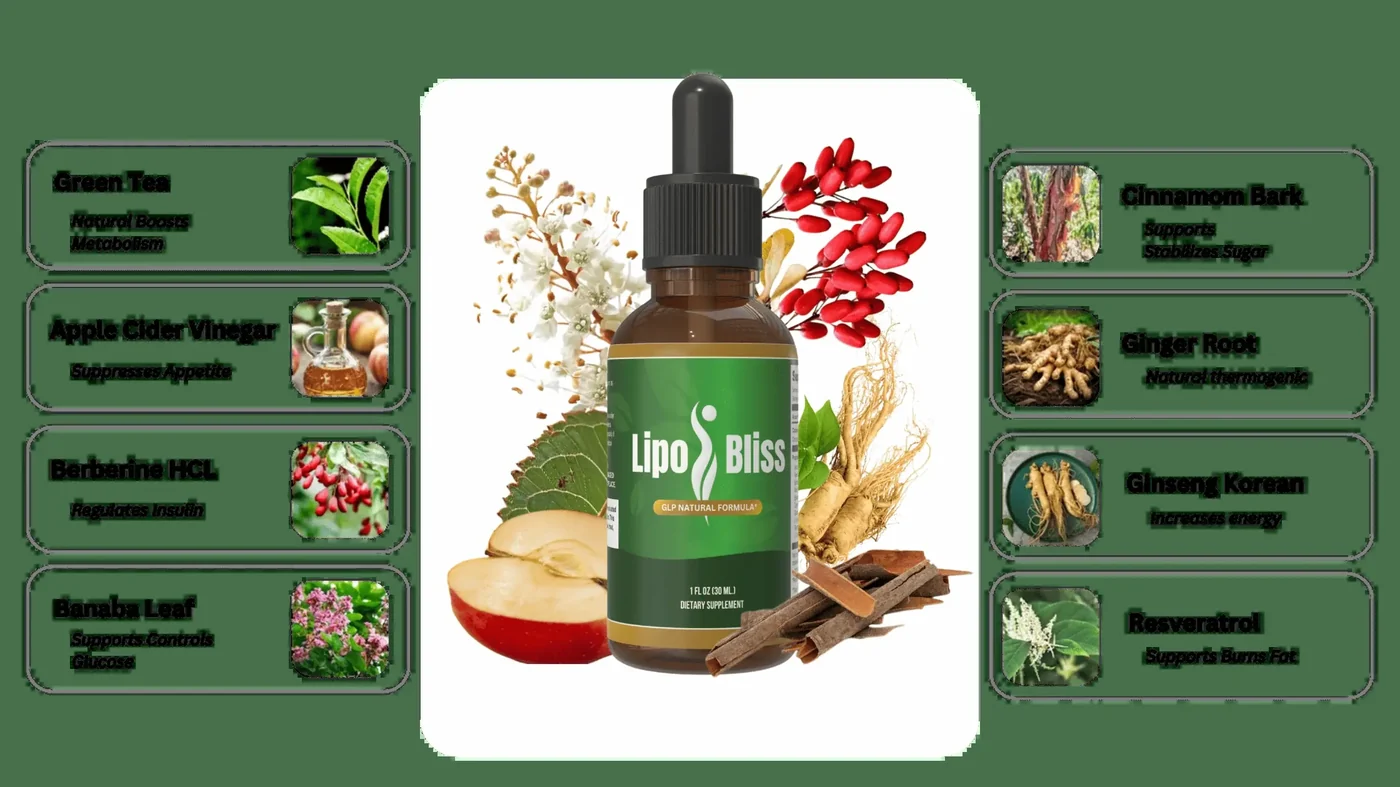
Green tea is one component of LipoBliss, a once-daily liquid built around berberine, cinnamon bark, green tea catechins and Panax ginseng. The design logic is the stack logic above: catechins for fuel selection and thermogenesis, alongside ingredients that work on glucose handling and appetite, delivered in a sublingual drop that makes daily consistency easy. If you want the full component-by-component picture rather than a single-ingredient view, our complete guide to what is inside the LipoBliss formula walks through each botanical and the dose caveats we could and could not verify.
The verdict on green tea itself is the same one that applies to almost every honest supplement ingredient. It has a real, replicated, modest effect on fat metabolism; that effect is dose-dependent and lives in a specific EGCG range; and it earns its place as a supporting player rather than a headline act. Buy it for what it is, dose it properly, take it with food, and let it multiply an effort you were already making. That is the whole realistic case for green tea extract, stated without the stock photos.
Related reading
- Garcinia cambogia and HCA: what the weight-loss evidence actually supports
- L-carnitine and fat metabolism: what the research shows
- LipoBliss ingredients: what is inside the formula
- Magnesium and metabolic health: reading the evidence
Frequently asked questions
How does green tea extract help with weight loss?
Green tea extract is standardised for catechins, chiefly EGCG, which modestly raise energy expenditure and shift the body toward burning fat for fuel, an effect called thermogenesis. The magnitude is small on its own, typically a few percent, so it works best alongside caffeine, activity and a calorie-aware diet rather than as a standalone fat-burner.
How much EGCG should a supplement contain?
Most clinically studied benefits sit in the range of roughly 270 to 400 mg of EGCG per day, often split across two doses. Below that the effect is negligible; far above it the risk of GI upset and, rarely, raised liver enzymes climbs without adding benefit. Check the label for the EGCG figure specifically, not just total green tea extract.
Is green tea extract better than drinking green tea?
For a measured EGCG dose, yes. A standardised extract delivers a consistent amount that would take several cups of brewed tea to match, without the fluctuating strength of a home brew. Drinking green tea is still a healthy habit, but it is a poor way to hit a specific catechin target reliably.
Can green tea extract cause side effects?
For most people green tea extract is well tolerated. The common complaints are mild, such as nausea or stomach upset, usually when it is taken on an empty stomach. Very high doses have rarely been linked to raised liver enzymes, so stay within the studied range, take it with food, and stop and speak to a clinician if you notice symptoms.
References
- NIH Office of Dietary Supplements — Green Tea Fact Sheet for Health Professionals
- PubMed — Meta-analyses of green tea catechins and body weight
- NIH National Center for Complementary and Integrative Health — Green Tea
- Mayo Clinic — Green tea: uses, dosing and cautions
- Harvard T.H. Chan School of Public Health — Tea and health
See the full LipoBliss ingredient breakdown
Every botanical on the label, including the standardised green tea catechins, the dose caveats we could not verify, the current sale terms and the 60-day guarantee.
Visit the Official Store