Berberine and Cinnamon for Weight and Metabolism: What the Research Actually Shows
Berberine has genuine randomised-trial data on blood-sugar and lipid markers; green tea catechins modestly raise energy expenditure. But most botanicals sold for weight are supported by small, mixed studies — and a finished blend is not the same as any single studied dose. Here is the honest picture.
Do berberine and cinnamon work for weight and metabolism?
Berberine has the strongest data of the two, with randomised trials showing real improvements in blood glucose and lipid markers at roughly 900–1500 mg per day. Cinnamon's effect is small and inconsistent. Green tea catechins add a modest metabolic nudge, but no single ingredient replaces diet and activity.
- Berberine is dose-dependent — check the label against the studied 900–1500 mg/day.
- Cinnamon and chromium have weak, mixed evidence for weight.
- A finished blend is not the same as any single studied dose.
Weight-management supplements borrow their credibility from a handful of ingredients with real research behind them — and then surround those ingredients with a lot of ones that do not. Being able to tell the difference is the whole game. This review walks through the five components used in botanical metabolic-support formulas like LipoBliss, and grades the evidence honestly.
Berberine: the strongest card
Berberine is a plant alkaloid, and it is the ingredient with the most serious data. Multiple randomised controlled trials and meta-analyses have found it improves fasting blood glucose, HbA1c and several lipid markers, with effect sizes that are meaningful — some comparisons have put it in the neighbourhood of certain first-line glucose medications, though the trials are smaller and shorter than drug trials.
Two caveats matter. First, dose: the studied benefits typically come from roughly 900–1500 mg per day, usually split across the day, so the amount in any product is the number to check. Second, interactions: berberine can affect how the body processes several medications and can lower blood sugar, which is exactly why it is not a "take it and forget it" ingredient for anyone on prescriptions or pregnant.
Berberine is the reason a metabolic botanical formula can claim any evidence at all. It is also the reason to read the label dose and talk to a clinician if you take medication.
Cinnamon: small and mixed
Cinnamon has been studied mainly for fasting blood glucose. The results are genuinely mixed: some trials show a small reduction, others show nothing, and reviews tend to conclude the effect — if present — is modest and inconsistent. It is a reasonable supporting ingredient on the glucose-metabolism theme, but it is not a weight-loss active, and it should not be sold as one.
Green tea catechins (EGCG): a modest, real effect
Green tea extract is the other ingredient with a defensible story. Its catechins, particularly EGCG, have been shown in controlled work to modestly increase energy expenditure and fat oxidation, especially when paired with caffeine. "Modest" is doing real work in that sentence: we are talking about a small nudge to daily calorie burn, not a mechanism that overrides diet. Reviews of green tea for actual weight loss show small average effects that often fade over time.
Panax ginseng: energy, not fat loss
Panax ginseng is an adaptogen studied for fatigue, energy and, in some work, metabolic markers and glucose handling. The human evidence for a direct effect on body weight is limited. In a formula, it makes sense as an energy-and-wellbeing ingredient — the thing that helps you keep moving — rather than as a fat-burner.
Chromium: weak evidence for weight
Chromium is a trace mineral involved in normal carbohydrate and fat metabolism. It has been marketed heavily for appetite and cravings, but systematic reviews have found only a small and clinically questionable effect on body weight. It is a legitimate nutrient; it is not a proven weight-loss tool.
The gap between an ingredient and a product
Here is the point most sales pages skate over: evidence for an ingredient at a studied dose is not evidence for a finished multi-ingredient product. A blend can under-dose its best ingredient, combine things that have never been tested together, or deliver them in a form that changes absorption. The only way to judge is to read the Supplement Facts panel and compare the amounts against what the trials used — particularly the berberine and EGCG figures.
| Ingredient | Evidence for metabolic/weight benefit |
|---|---|
| Berberine | Reasonable — trials on glucose & lipids; dose-dependent |
| Green tea (EGCG) | Modest — small rise in energy expenditure |
| Cinnamon | Weak/mixed — small, inconsistent glucose effect |
| Panax ginseng | Limited — energy yes, direct weight no |
| Chromium | Weak — small, questionable weight effect |
What this means if you are considering LipoBliss
LipoBliss combines these ingredients in a once-daily liquid. Read that as: it is built on a couple of ingredients with real support (berberine, green tea) plus several supporting players with weaker evidence. It is not a GLP-1 medication, it is not a substitute for diet and activity, and it will work at the margins, over weeks, for people already doing the basics. If you go in with that expectation — and you check the label doses and your own medications with a clinician — you are making an informed decision rather than a hopeful one.
References
- NIH NCCIH — Green Tea: What You Need To Know
- NIH NCCIH — Dietary Supplements for Weight Loss: What the Science Says
- PubMed — Meta-analyses of berberine on glucose and lipid markers
- NIH Office of Dietary Supplements — Chromium Fact Sheet
- Cochrane Library — Reviews of herbal and green-tea preparations for weight
Frequently asked questions
How much berberine do studies actually use?
Most randomised trials use roughly 900 to 1,500 mg of berberine per day, usually split into two or three doses because a single large dose can upset the stomach. That total is the figure to check on any label, since a formula can list berberine while delivering far less than the studied amount. Under-dosing is the most common way a metabolic blend fails to reflect the trial evidence.
Does cinnamon help with weight loss?
The evidence for cinnamon is small and mixed. It has been studied mainly for fasting blood glucose, where some trials show a modest reduction and others show none, and reviews tend to call the effect inconsistent. It is a reasonable supporting ingredient on the glucose-metabolism theme, but it is not a weight-loss active and should not be sold as one.
Is a berberine and green tea blend as effective as a single studied ingredient?
Not automatically. Evidence for an ingredient at a studied dose is not evidence for a finished multi-ingredient product. A blend can under-dose its best ingredient, combine components never tested together, or change absorption. The only way to judge is to read the Supplement Facts panel and compare the berberine and EGCG amounts against what the trials actually used.
Who should be cautious with berberine?
Berberine can lower blood sugar and can affect how the body processes several medications, so it is not a take-it-and-forget-it ingredient. Anyone who is pregnant or nursing, taking prescription medication, or managing a health condition should speak with a clinician before starting. This is standard supplement due diligence rather than a berberine-specific alarm, but it matters more here than with milder ingredients.
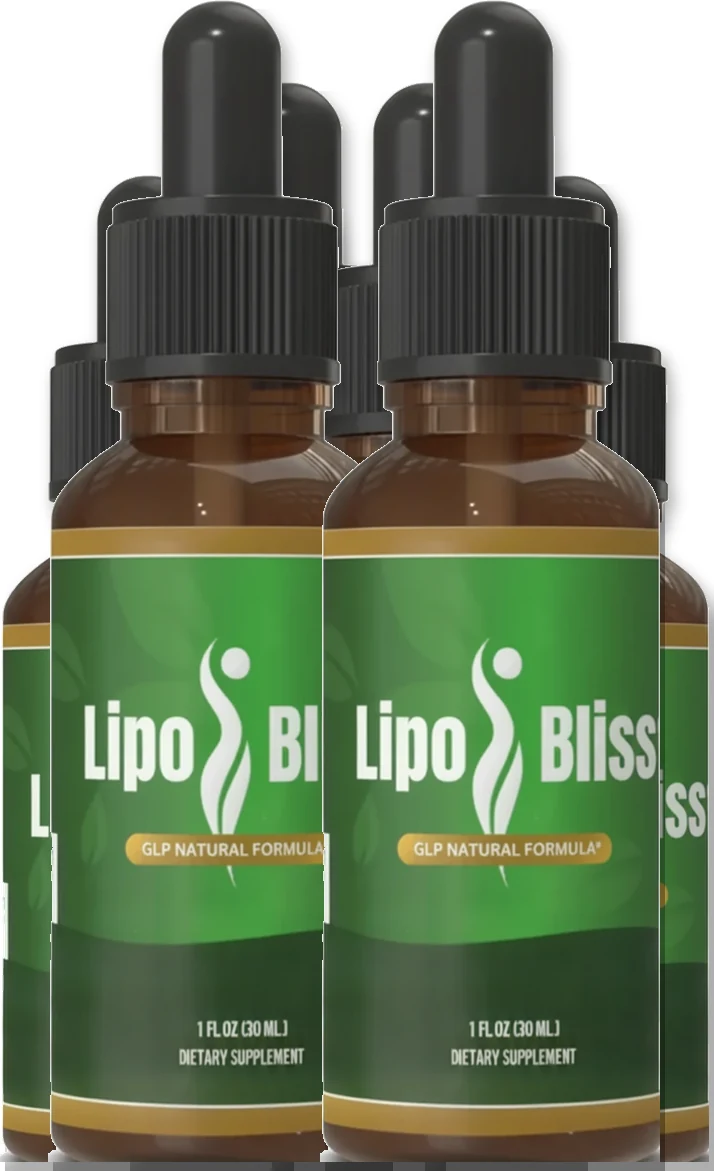
See the full LipoBliss review
Every ingredient, the dose caveats, the current sale pricing and the 60-day guarantee.
Read the LipoBliss Review