How Long Weight-Loss Supplements Take to Work: Realistic Timelines
The most common reason people abandon a supplement is that they judged it too early. Here is what the evidence says about timelines, the early signs worth tracking before the scale moves, and the habits that decide how fast anything happens at all.
How soon will I see results from a weight-loss supplement?
Expect weeks to months, not days. Softer signals such as a steadier appetite, fewer cravings and better energy often appear within the first two to four weeks, while visible change on the scale usually builds over roughly two to three months of consistent daily use paired with a sensible diet and regular movement.
- Behavioural signs come first; scale movement lags behind them.
- Trials showing body-composition change generally ran for eight to twelve weeks or more.
- Consistency, diet and sleep decide the pace far more than the product alone.
If you want to know how long weight-loss supplements take to work, the honest headline is this: meaningful change arrives on a scale of weeks to months, not overnight, and the people who get results are usually the ones who stopped expecting a fast one. That is not a hedge. It is the single most useful thing you can internalise before you start, because the wrong timeline is what turns a product that might have helped into one you quit at week two. Let us set expectations properly, then look at how to tell early on whether something is working.

How long weight-loss supplements take to work: the realistic range
Set the calendar honestly and everything downstream gets easier. Across the botanical weight-management category, the trials that report any measurable change in body weight, waist circumference or body-fat percentage almost always ran for at least eight weeks, and frequently twelve or more. That is the physiological reality the marketing tends to blur: the body does not release stored fat quickly, and no capsule or drop changes the speed limit on that process by much.
A useful way to hold it is in three phases. The first two to four weeks are mostly about the softer, behavioural signals — changes in how hungry you feel and how steady your energy is. The next four to eight weeks are when consistent effort tends to start showing up on the scale and in the fit of your clothes. Beyond that, around the two-to-three-month mark, you have enough of a trend to judge whether the whole approach — supplement, diet and activity together — is actually working for you. Anyone promising a dramatic before-and-after inside a fortnight is selling a timeline the biology does not support.
Why the timeline is gradual by design
It helps to understand why fast is not on the menu, because the reason is reassuring rather than disappointing. Safe, sustainable fat loss happens at a modest rate — commonly framed as a small fraction of body weight per week — and that ceiling is set by how your body mobilises and burns stored energy, not by the strength of any product. A supplement in this category works by nudging normal processes: making appetite a little steadier, supporting the way your body handles glucose, giving fuel metabolism a small push. It adds a tailwind. It does not override the engine.
This is also why the gradual pace is the honest, healthy one. Rapid drops on the scale in the first week are almost always water and glycogen, not fat, and they reverse just as quickly. The slow, unglamorous curve is the one that reflects real change in body composition and the one most likely to hold. When you reframe “gradual” as “real,” the waiting becomes a lot easier to sit with.
Giving it a fair trial means giving it enough time
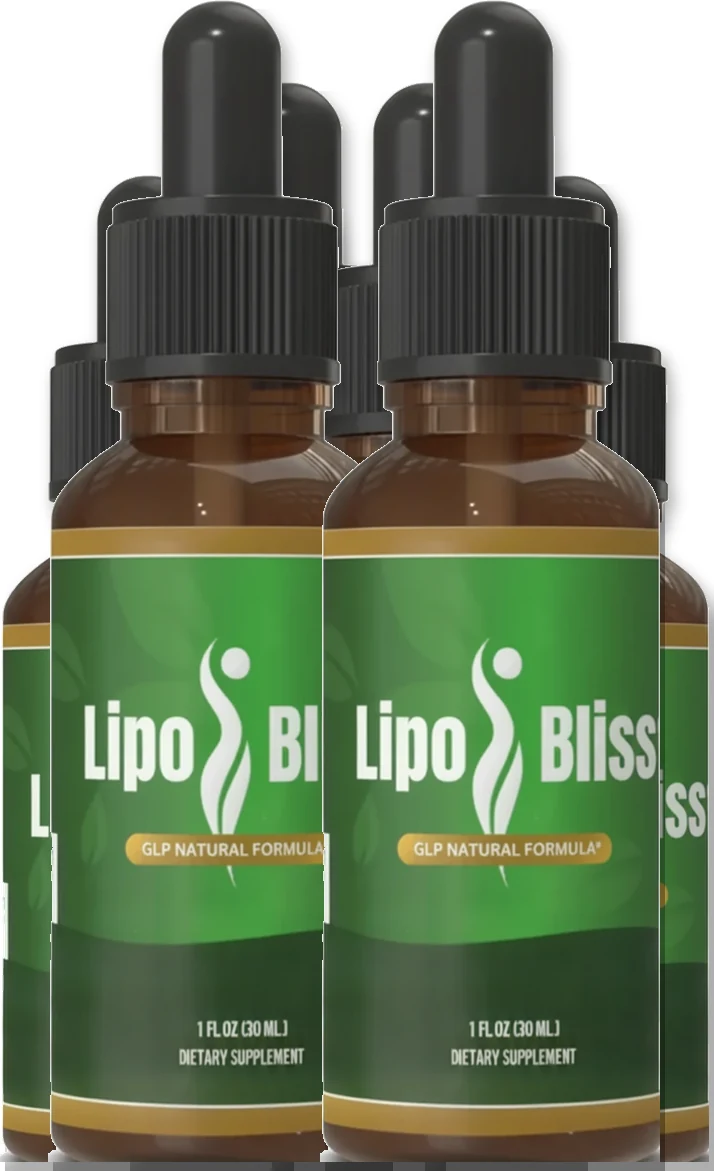
Because results build over weeks to months, a multi-bottle supply is how most people actually see a supplement through. See the current LipoBliss packages and terms on the official store.
Check AvailabilityEarly signs that appear before the scale moves
Here is the objection worth answering head-on: “three weeks in, the scale hasn’t moved, so it isn’t working.” That conclusion is usually premature, because the scale is a lagging indicator and it is also a noisy one, swinging by a kilogram or two on any given morning for reasons that have nothing to do with fat. If you rely on it alone, you will miss the earliest and most reliable evidence that something is happening.
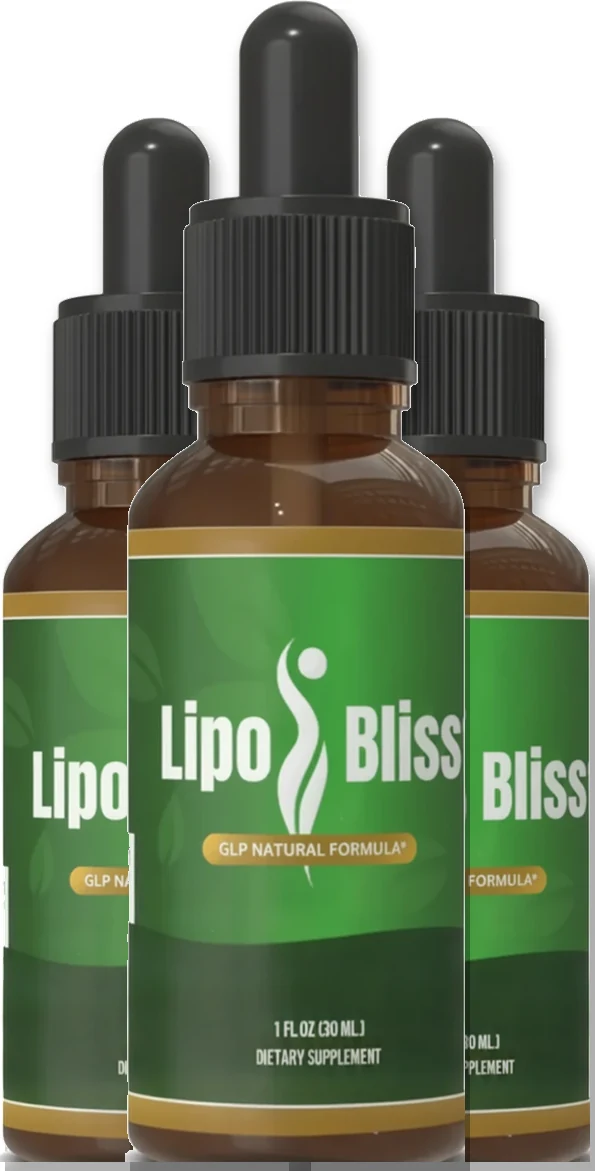
The signals that tend to show up first are behavioural. A more even appetite, so you are not ravenous by mid-morning. Fewer between-meal cravings and less of the reflex snacking that happens in the evening. Steadier energy through the afternoon slump. None of these register on a scale, yet each one is a genuine early sign, and each one matters for a concrete reason: they make the eating and activity habits that actually drive weight change easier to sustain. A supplement that quietly makes you less hungry is doing something useful weeks before that shows up as a lower number. Real customer accounts tend to describe exactly this sequence, and our roundup of what real LipoBliss reviews say about the timeline and results reflects the same appetite-first pattern.
What the trials actually show
It is worth grounding the timeline in specific research rather than vibes. African mango, one of the botanicals studied for weight management, is a good illustration: the trials that reported reductions in body weight and waist circumference typically ran for around ten weeks before those changes reached the point of being measurable. Green tea catechin studies, similarly, generally needed weeks of daily dosing to show their modest effects on fat oxidation and body weight. Across the category, the pattern is remarkably consistent — the studies that found anything were the ones that ran long enough to find it.
That consistency cuts two ways. It confirms that some ingredients do produce measurable change, and it confirms that the change is modest and slow. A ten-week trial reporting a few centimetres off the waist is a genuine result and a realistic one. Use those numbers as your yardstick, not the transformation photos, and you will judge your own progress against something the evidence can actually stand behind.
The myth of the one-week test
The most damaging habit in this whole category is the one-week test — buying a bottle, taking it for seven to ten days, seeing no dramatic change and concluding it does not work. It is an understandable impulse, especially against the backdrop of prescription weight-loss medications that act faster and more forcefully. But it is the wrong comparison, and it guarantees you will quit before any supplement in this class has had a chance to do its modest job. If you are curious how these two categories genuinely differ in mechanism and speed, our comparison of how LipoBliss compares with GLP-1 weight-loss drugs lays out why the timelines and the tools are not the same thing.
A supplement deserves the same fair trial the trials themselves used: run it consistently for at least eight to twelve weeks before you form a verdict, and track more than the scale while you do. Judging a slow, cumulative tool on a one-week window is like weighing yourself after a single workout and concluding exercise does not work.
A supplement is a cumulative tool, not an instant one. Judging it after a week is judging a book by its first page and then blaming the book.
What actually helps a supplement work better
If you want to shorten the timeline as much as it can honestly be shortened, the levers are not exotic. Consistency comes first by a wide margin: a dose taken every single day beats a stronger routine you keep abandoning, which is also why the delivery format matters for adherence — our look at how the drop format compares with capsules for daily consistency covers why the easiest format to keep up often wins. After consistency, the fundamentals do the heavy lifting.
A protein-forward diet in a modest calorie deficit gives your body a reason to lose fat rather than muscle and blunts hunger on its own. Regular movement, even just daily walking plus some resistance work, raises the energy you spend and improves how your body handles fuel. Adequate sleep is the quietly decisive one: short sleep raises appetite hormones and cravings, working directly against everything the supplement is nudging in the other direction. A supplement layered on top of those habits has something real to amplify. A supplement asked to compensate for their absence has almost nothing to work with, and that is the difference between a product that seems to work and one that seems to do nothing.
How to track progress and when to reassess
Set up your measurement before you start, so you are not left staring at a single flickering number. Weigh yourself no more than weekly and at the same time of day, and read the trend line over a month rather than any one reading. Add a tape measure at the waist, because inches often move when the scale stalls, particularly if you are also training. And keep a simple note of the behavioural signals — hunger, cravings, energy, sleep — because those are your earliest and most honest feedback.
Then give it a real window. A reasonable point to reassess is somewhere between 60 and 90 days of consistent use, which is why a multi-month supply tends to make more sense than a single bottle. At that checkpoint you will have enough of a trend to make a genuine decision rather than a reactive one. This is the logic behind LipoBliss as a once-daily routine: it is designed to be taken steadily over that kind of window, and if you want the ingredient-level detail behind it, our breakdown of what is inside the LipoBliss formula walks through each component. Give the process the time the evidence says it needs, support it with the habits that do the real work, and judge it on the trend rather than the day.
Related reading
- LipoBliss reviews: does it actually work?
- Weight-loss drops vs pills: absorption compared
- LipoBliss vs GLP-1 weight-loss drugs
- LipoBliss ingredients: what is inside the formula
Frequently asked questions
How soon will I see results from LipoBliss?
Plan on weeks rather than days. Many people notice softer signals first, such as steadier appetite, fewer cravings and better energy, within the first two to four weeks, while visible changes on the scale or in how clothes fit usually take longer and build over a couple of months of consistent daily use alongside a sensible diet.
What early signs show a supplement is working?
The earliest signs are usually behavioural rather than numerical: a more even appetite, fewer between-meal cravings, less snacking at night and steadier energy through the afternoon. These often appear before any movement on the scale, and they matter because they make the eating and activity habits that actually drive weight change easier to keep up.
Why is weight loss gradual with supplements?
Because a supplement works by nudging normal processes such as appetite regulation and fuel metabolism, not by forcing rapid change. Safe, sustainable fat loss is a slow process by nature, roughly a modest fraction of body weight per week at most, and a supplement adds a small tailwind to that rather than overriding the biology of how the body releases stored fat.
What helps supplements work better?
Consistency first: take it every day rather than in bursts. Beyond that, a protein-forward diet in a modest calorie deficit, regular movement and adequate sleep do most of the work, and the supplement supports those habits. Trials that show results run for weeks to months, so give any product a fair, uninterrupted trial before judging it.
References
- CDC — Losing Weight: a steady, gradual approach
- NIH Office of Dietary Supplements — Dietary Supplements for Weight Loss
- PubMed — African mango (Irvingia gabonensis) weight-management trials
- NHLBI — Aim for a Healthy Weight
- NIH National Center for Complementary and Integrative Health — Weight Control and Dietary Supplements
Start a consistent LipoBliss routine
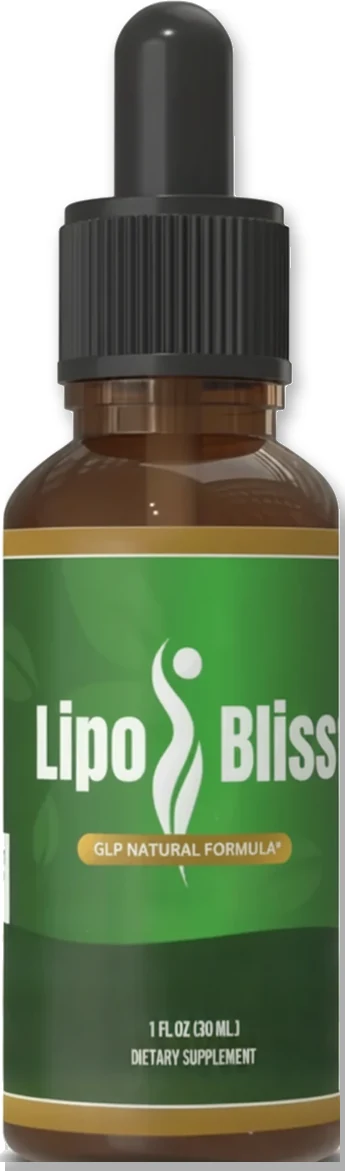
The full ingredient label, the once-daily directions, multi-bottle supplies sized for a real trial window and the 60-day money-back guarantee — all on the official store.
Visit the Official Store