Berberine vs Cinnamon: Which Is Better?
Berberine has the stronger evidence of the two, with pooled randomized trials showing improvements in fasting glucose and lipid markers. Cinnamon is a spice with a more divided literature, and this page compares them side by side.
Berberine vs cinnamon: which is better?
Berberine has the stronger evidence of the two. Pooled randomised trials show consistent improvements in fasting glucose, HbA1c and lipid markers at roughly 900–1,500 mg per day, alongside average weight reductions of about one to two kilograms. Cinnamon's effects are real but smaller and less consistent, and its most important distinction is botanical: Ceylon cinnamon carries almost no coumarin, while the cassia cinnamon used in nearly every trial can carry a great deal.
- Better glucose evidence: berberine — more trials, larger and more consistent effects.
- Better safety margin: Ceylon cinnamon — far lower coumarin, far fewer drug interactions.
- Neither is a medicine, and no trial has tested the two taken together.
Search interest in this comparison is oddly specific. People do not ask whether berberine works — they ask which one to pick, whether Ceylon is the better cinnamon, and whether it is safe to take both. Those questions deserve numbers rather than adjectives, so what follows is built out of the pooled trial data with the limits stated plainly.
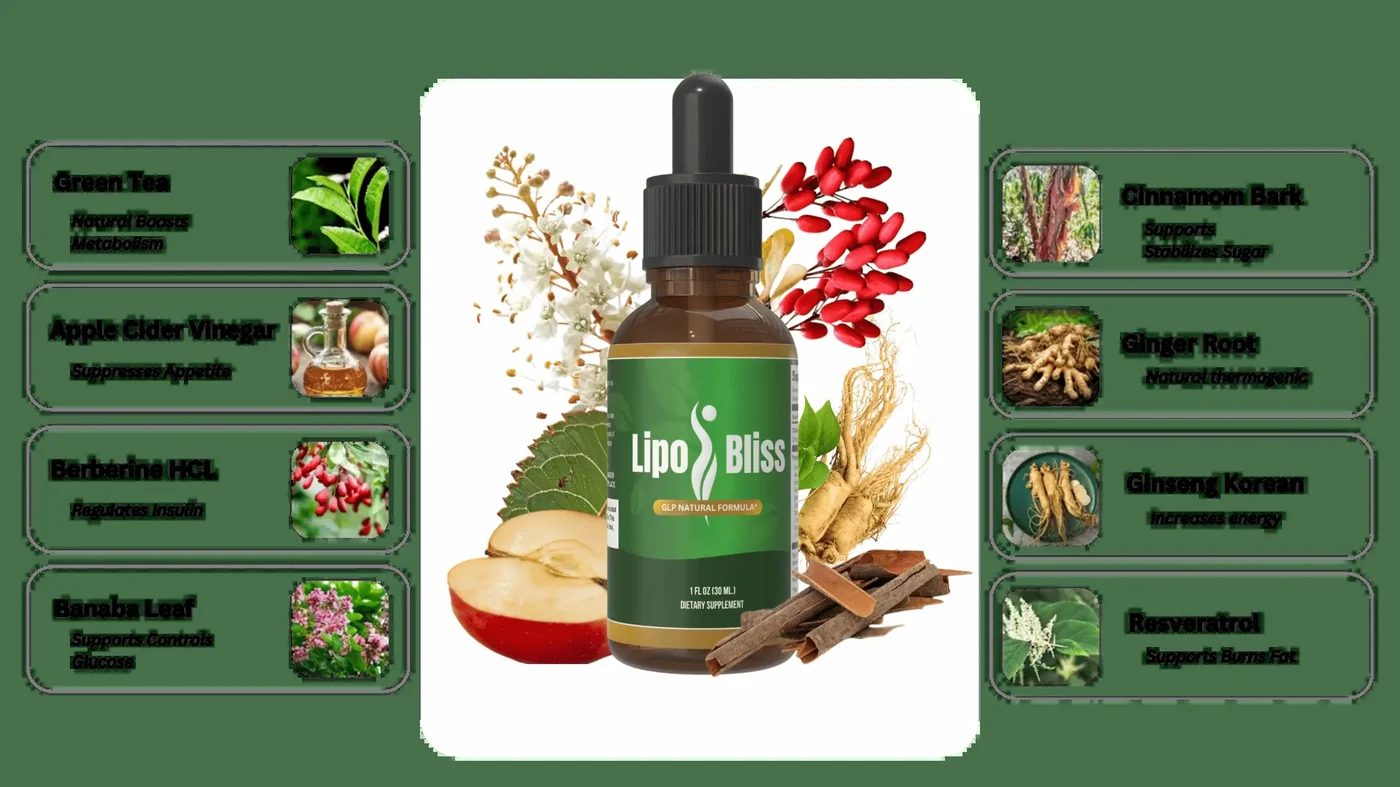
What is the difference between berberine and cinnamon?
Berberine is an isolated plant alkaloid; cinnamon is a whole spice. That single sentence explains most of what follows. Berberine is a purified compound extracted from plants such as Coptis chinensis and barberry, delivered in milligram doses, and it behaves in the body far more like a drug than like a food — including a pronounced effect on the enzymes that clear medications. Cinnamon is the dried inner bark of a tree, taken in gram doses, chemically messy and varying enormously between batches and species. That is one reason its trial results scatter more widely, and it means a cinnamon supplement's identity — which species is actually in the capsule — changes the safety maths in a way that never applies to berberine.
Berberine vs cinnamon for blood sugar: what the trials show
On glucose control the evidence favours berberine, and not by a small margin in terms of volume. A 2021 systematic review and meta-analysis in Oxidative Medicine and Cellular Longevity assessed 46 randomised controlled trials of berberine in people with type 2 diabetes, examining HbA1c, fasting plasma glucose, two-hour postprandial glucose, insulin resistance and lipid profile together — a body of evidence no other botanical in this category can match (Guo J, et al. Oxid Med Cell Longev, 2021, PMID 34956436).
Cinnamon's glucose record is genuinely split, and it is worth seeing both halves. The optimistic reading comes from a 2024 updated dose-response meta-analysis of 24 randomised trials in type 2 diabetes, which reported statistically significant reductions in fasting blood sugar, insulin resistance and HbA1c, though not in serum insulin (Moridpour AH, et al. Phytotherapy Research, 2024, PMID 37818728). The sceptical reading comes from the Cochrane review, which pooled 10 randomised trials in 577 people at a mean dose of about 2 g daily and concluded that the effect on fasting blood glucose was inconclusive, with no significant difference in HbA1c, serum insulin or postprandial glucose — and that risk of bias was high or unclear in all but two trials (Leach MJ, Kumar S. Cochrane Database of Systematic Reviews, 2012, PMID 22972104).
Both are defensible summaries of a messy literature. The honest conclusion is that cinnamon may nudge fasting glucose in some people, and that nobody should treat it as a reliable glucose tool. Berberine's advantage is not that its effect is dramatic; it is that the effect keeps showing up.
Berberine vs cinnamon for weight loss: what the trials show
Neither ingredient is a weight-loss agent in the way the marketing implies, and the pooled numbers make that unmistakable. For berberine, a 2020 meta-analysis of 12 randomised controlled trials found a mean reduction of about 2.07 kg in body weight, 0.47 kg/m² in BMI and 1.08 cm in waist circumference against control (Asbaghi O, et al. Clinical Nutrition ESPEN, 2020, PMID 32690176). A second 2020 dose-response meta-analysis of 10 trials found significant reductions in BMI and waist circumference but no significant change in body weight at all (Xiong P, et al. Complementary Therapies in Clinical Practice, 2020, PMID 32379652). Two credible pools, published the same year, disagreeing about whether the scale moves — that is the real state of the evidence, and it is more informative than either result alone.
Cinnamon lands in the same modest territory. A meta-analysis of 21 randomised trials in 1,480 adults found reductions of about 0.92 kg in body weight and 0.40 kg/m² in BMI, with waist circumference and body-fat percentage falling short of significance and heterogeneity between studies running near 80% (Yazdanpanah Z, et al. Phytotherapy Research, 2020, PMID 31800140). A dose-response analysis of 12 trials in 786 people reported similar magnitudes and added a useful practical detail: fat-mass reductions appeared only at doses of 2 g per day or more, sustained for 12 weeks or longer (Mousavi SM, et al. Clinical Nutrition, 2020, PMID 30799194).
Put plainly: one to two kilograms over several months, in studies where participants were also changing something about how they ate. That is a real effect and a small one. If you want the same honest arithmetic applied to the rest of the shelf, our breakdown of green tea extract and EGCG for fat metabolism lands in exactly the same range, and the reason is not coincidence — it is what botanical metabolic support does.
| Comparison point | Berberine | Cinnamon |
|---|---|---|
| What it is | Isolated plant alkaloid | Whole dried bark of a tree |
| Typical studied dose | ~900–1,500 mg/day, split | ~1–2 g/day, 12 weeks or more |
| Glucose evidence | Consistent across many pooled trials | Divided — newer pools positive, Cochrane inconclusive |
| Weight evidence | ~0–2 kg depending on the pool | ~1 kg, with high heterogeneity |
| Main safety issue | Drug interactions and stomach upset | Coumarin, in cassia only |
| Absorption | Poor — a known limitation | Not the limiting factor |
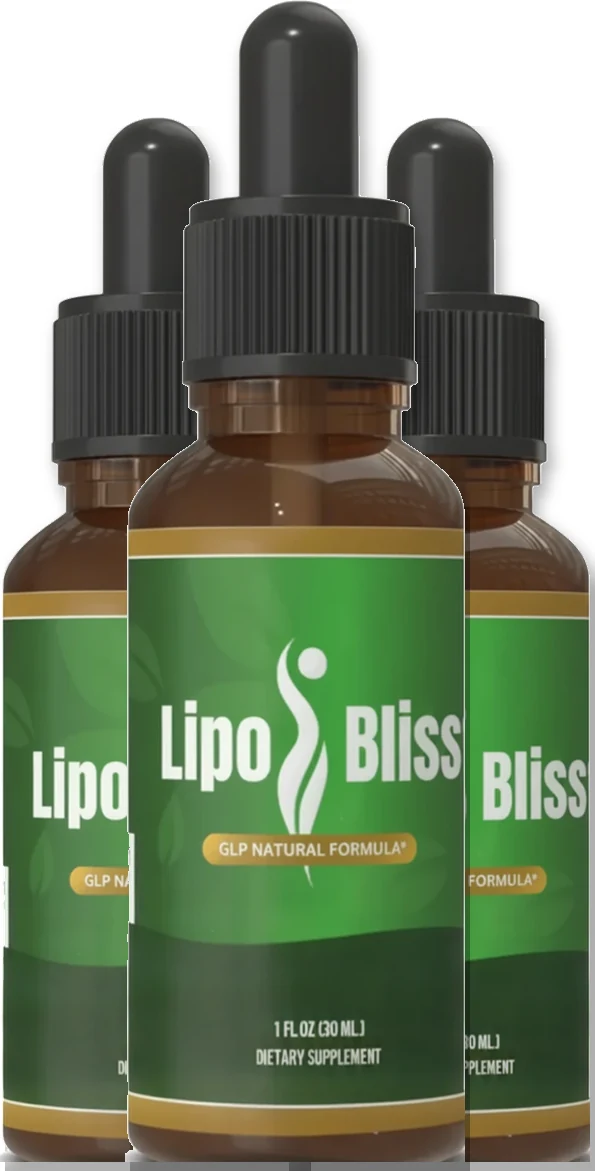
Want to see how a real label handles these two?
LipoBliss is a once-daily botanical liquid built around berberine and cinnamon bark alongside green tea and Panax ginseng. The full ingredient list, the current bundle pricing and the 60-day money-back guarantee are all on the official store.
See the Full LipoBliss LabelCeylon vs cassia cinnamon: which type is in your supplement?
Ceylon cinnamon and cassia cinnamon are different plants with different chemistry, and the difference is a safety issue rather than a connoisseur's preference. Ceylon cinnamon is Cinnamomum verum, also called C. zeylanicum, grown chiefly in Sri Lanka. Cassia covers a group of related species — C. cassia, C. burmannii, C. loureiroi — and it is what the overwhelming majority of ground supermarket cinnamon and cinnamon supplements actually contain, because it is cheaper and more strongly flavoured.
The compound that separates them is coumarin, a naturally occurring phytochemical with hepatotoxic potential at sufficient intake. A retail survey that analysed 60 ground cinnamon samples across twelve brands found mean coumarin content ranging from roughly 2,650 to 7,017 mg per kilogram, while a single reference sample of Cinnamomum verum imported directly from a Sri Lankan plantation was coumarin-free (Blahová J, Svobodová Z. The Scientific World Journal, 2012, PMID 22761548). None of the sampled products stated their botanical source on the label, which is exactly the problem.
How much coumarin is too much? A risk assessment drawing on human clinical data derived a tolerable daily intake of 0.1 mg per kilogram of body weight, confirming the figure European regulators had reached from animal data, and identified a subgroup of people more susceptible to coumarin's liver effects than the animal species studied. The same assessment noted that dietary coumarin exposure comes mainly from cassia cinnamon, and that heavy consumers can reach the tolerable daily intake (Abraham K, et al. Molecular Nutrition & Food Research, 2010, PMID 20024932). For a 70 kg adult that ceiling works out at 7 mg a day — a figure a couple of grams of a high-coumarin cassia powder can approach on its own.
Here is the uncomfortable twist, and no honest article should skip it: nearly all the clinical trials that produced cinnamon's positive glucose and weight numbers used cassia, not Ceylon. A review of the experimental and clinical evidence noted this directly, concluding that the high coumarin content of Cinnamomum cassia is a genuine concern and that low-coumarin Cinnamomum zeylanicum would be the safer alternative — while acknowledging that the efficacy evidence sits mostly with the species you would rather avoid (Medagama AB. Nutrition Journal, 2015, PMID 26475130).
What that means when you are choosing
Choosing Ceylon buys you a much wider safety margin and costs you a slightly weaker claim on the trial evidence. For most people taking a modest daily amount inside a multi-ingredient formula, that is a trade worth making, because the effect size on offer is small either way while the coumarin exposure is avoidable outright. If a label says only “cinnamon bark” with no species named, treat it as cassia until the manufacturer says otherwise — and check the amount, because the same discipline we apply to reading the full LipoBliss ingredient panel applies to every product on this shelf.
Is berberine with Ceylon cinnamon good for weight loss?
Berberine with Ceylon cinnamon is a reasonable pairing with no direct evidence behind the pairing itself. That is the complete, honest answer, and it is worth unpacking rather than dressing up. What is known is that each ingredient, studied on its own, produces a small average reduction in body weight and BMI over weeks to months. What is not known is whether taking them together produces more than either alone, because no randomised trial has tested that specific combination.
There is a plausible argument for pairing them. They act through different routes — berberine chiefly through cellular energy-sensing pathways and effects on the gut, cinnamon largely through insulin signalling and carbohydrate handling — so their effects are not obviously redundant, and choosing Ceylon removes the coumarin question from a product meant for daily long-term use. That is a sensible formulation rationale. It is not proof. What would settle it is a trial of the combination against each ingredient alone over at least twelve weeks, and that trial does not exist. Until it does, expect of the pairing what you would expect of its parts: a small assist to a diet-and-activity effort, showing up over a couple of months. Our guide to how long weight-loss supplements take to work sets out that timeline.
Can you take cinnamon and berberine together?
For a healthy adult at label amounts there is no known hazard in combining them, but the combination is untested and the caution belongs on berberine rather than on cinnamon. Berberine is the ingredient that behaves like a drug. It is poorly absorbed when taken orally — a limitation researchers have spent years trying to engineer around (Liu CS, et al. Fitoterapia, 2016, PMID 26851175) — which is why the studied amount is split across the day rather than taken all at once, and why stomach complaints are the most common reason people stop.
The genuine concern is additive glucose lowering. Both ingredients push in the same direction on blood sugar, and someone already taking a glucose-lowering medication is stacking three effects rather than one. Berberine additionally influences the enzyme systems that clear a number of prescription drugs, which can change how much of a medication stays in circulation. None of that makes it dangerous for a healthy person; all of it makes it a conversation with a clinician for anyone who is not.
The practical rules are dull and effective: take berberine with food, split across two or three doses; introduce one new ingredient at a time; do not stack products that each contain berberine or cinnamon without adding up the totals; and never adjust a prescription because a supplement seems to be working — the fuller picture is in our LipoBliss side effects and safety guide.
What the evidence shows — and what it does not
It is worth separating the two columns explicitly, because most writing on this comparison blurs them.
| What the evidence supports | What it does not support |
|---|---|
| Berberine improves glucose and lipid markers across many pooled randomised trials | That berberine is equivalent to, or a replacement for, any prescription medicine |
| Both ingredients produce small average reductions in BMI | That either produces large or rapid weight loss |
| Ceylon cinnamon contains far less coumarin than cassia | That Ceylon has been shown to work as well as cassia in trials |
| Cinnamon's fat-mass effect appeared at 2 g/day over 12 weeks or more | That taking more, faster, produces proportionally more |
| Trial participants were also changing diet and activity | That either ingredient works without those changes |
How to read a berberine or cinnamon label
A label is checkable in about ninety seconds if you know what you are looking for. Work through it in this order.
- Find the amount, not the ingredient. Berberine needs a number you can compare against 900–1,500 mg per day; cinnamon needs one you can compare against 1–2 g. An ingredient named without an amount cannot be assessed at all.
- Check for a proprietary blend. If several botanicals share a single total, no individual amount is disclosed and the comparison above is impossible to run.
- Look for the cinnamon species. “Ceylon”, “Cinnamomum verum” or “zeylanicum” is a meaningful disclosure. Bare “cinnamon bark” almost always means cassia.
- Add up your whole shelf. Berberine and cinnamon appear in a lot of formulas. Two products can quietly double an amount you thought you were controlling.
Common mistakes with berberine and cinnamon
Treating the spice rack as the supplement. Baking cinnamon into food is not the same intervention as a standardised daily gram dose, and with cassia the coumarin arithmetic works against casual heavy use.
Assuming natural means interaction-free. Berberine's effect on drug-clearing enzymes is one of the most clinically relevant interactions in the whole supplement category, and it is largely absent from the marketing.
Judging it in two weeks. The cinnamon fat-mass signal only appeared at twelve weeks and beyond. Stopping at day ten because nothing happened is not a result; it is an incomplete trial of one.
Ignoring the rest of the formula. If berberine and cinnamon sit alongside four other botanicals, the useful question is what each one contributes at its own amount — the same discipline we apply to magnesium and metabolic health, where the mineral has a better case than most of the herbs around it.
The bottom line on berberine vs cinnamon
On evidence alone berberine wins on the volume and consistency of its trial data and loses on interaction risk and tolerability. If you choose cinnamon, choose Ceylon, expect a smaller and less certain effect, and accept that you are trading some of the efficacy evidence for a much better coumarin profile. If you take both, understand that you are combining two modest, separately studied ingredients on a plausible rationale rather than a proven one. Neither is a medicine, and neither replaces the diet, movement, sleep and consistency that decide what happens over a year. For how these two sit among the other botanicals on the same labels, our full berberine and cinnamon evidence review grades the rest of the panel.
Frequently asked questions
Berberine vs cinnamon: which is better for blood sugar?
On the current evidence berberine has the stronger case. Meta-analyses of randomised trials in people with type 2 diabetes have pooled dozens of berberine studies and found consistent improvements in fasting glucose, HbA1c and lipid markers, while the cinnamon literature is more divided: a 2024 dose-response meta-analysis of 24 trials found significant reductions in fasting blood sugar and HbA1c, but the 2012 Cochrane review of 10 trials called the effect on fasting glucose inconclusive and found no significant change in HbA1c. Berberine also carries a heavier interaction burden, so the ingredient with the better numbers is also the one that needs more care.
Is berberine with Ceylon cinnamon good for weight loss?
It is a sensible pairing rather than a powerful one. Pooled trials put berberine's average weight effect at roughly zero to two kilograms against control depending on which meta-analysis you read, and cinnamon's at roughly one kilogram, both over weeks to months and both alongside diet changes. Choosing Ceylon cinnamon rather than cassia lowers coumarin exposure, which is the main safety argument for the pairing. What it does not do is turn two modest ingredients into a large effect, and no trial has tested this specific combination for weight loss.
What is the difference between Ceylon and cassia cinnamon?
Ceylon cinnamon is Cinnamomum verum, grown mainly in Sri Lanka, and it is naturally very low in coumarin. Cassia cinnamon covers several related species and is what most supermarket ground cinnamon actually is, and it can carry a great deal of coumarin. In one retail survey of 60 ground cinnamon samples, mean coumarin content ranged from about 2,650 to 7,017 mg per kilogram, while a Ceylon sample imported directly from Sri Lanka was coumarin-free. Almost all the clinical trials, however, used cassia rather than Ceylon.
Can you take cinnamon and berberine together?
There is no published trial of the two taken together, so anyone who says the combination is proven is going beyond the evidence. Both act on glucose handling, so the theoretical concern is additive blood-sugar lowering, which matters most for people already taking glucose-lowering medication. For a healthy adult at label amounts the combination is not known to be hazardous, but it is a conversation to have with a clinician rather than an experiment to run alone.
Does berberine or cinnamon replace medication?
No. Neither is a medicine, neither is approved to treat any condition, and the statements on any supplement label have not been evaluated by the Food and Drug Administration. The trials that produced the numbers above were mostly conducted alongside existing care, not instead of it. Stopping or adjusting a prescription because of a supplement is the single most dangerous mistake in this category.
Which type of cinnamon is used in supplements?
The page compares Ceylon and cassia cinnamon and how they differ. Check the label to see which type a product uses.
References
- Guo J, et al. The Effect of Berberine on Metabolic Profiles in Type 2 Diabetic Patients: A Systematic Review and Meta-Analysis of Randomized Controlled Trials. Oxid Med Cell Longev, 2021. PMID 34956436
- Asbaghi O, et al. The effect of berberine supplementation on obesity parameters, inflammation and liver function enzymes: A systematic review and meta-analysis of randomized controlled trials. Clin Nutr ESPEN, 2020. PMID 32690176
- Xiong P, et al. The effect of berberine supplementation on obesity indices: A dose-response meta-analysis and systematic review of randomized controlled trials. Complement Ther Clin Pract, 2020. PMID 32379652
- Moridpour AH, et al. The effect of cinnamon supplementation on glycemic control in patients with type 2 diabetes mellitus: An updated systematic review and dose-response meta-analysis of randomized controlled trials. Phytother Res, 2024. PMID 37818728
- Leach MJ, Kumar S. Cinnamon for diabetes mellitus. Cochrane Database Syst Rev, 2012. PMID 22972104
- Yazdanpanah Z, et al. Effects of cinnamon supplementation on body weight and composition in adults: A systematic review and meta-analysis of controlled clinical trials. Phytother Res, 2020. PMID 31800140
- Mousavi SM, et al. Cinnamon supplementation positively affects obesity: A systematic review and dose-response meta-analysis of randomized controlled trials. Clin Nutr, 2020. PMID 30799194
- Blahová J, Svobodová Z. Assessment of coumarin levels in ground cinnamon available in the Czech retail market. ScientificWorldJournal, 2012. PMID 22761548
- Abraham K, et al. Toxicology and risk assessment of coumarin: focus on human data. Mol Nutr Food Res, 2010. PMID 20024932
- Medagama AB. The glycaemic outcomes of Cinnamon, a review of the experimental evidence and clinical trials. Nutr J, 2015. PMID 26475130
- Liu CS, et al. Research progress on berberine with a special focus on its oral bioavailability. Fitoterapia, 2016. PMID 26851175
- NIH NCCIH — Dietary Supplements for Weight Loss: What the Science Says
Related reading
- Berberine and cinnamon for weight and metabolism: the full evidence review
- LipoBliss ingredients: what is actually inside the formula
- Green tea extract and EGCG for fat metabolism
- The full LipoBliss side effects and safety guide
- Magnesium and metabolic health: what the trials support
See the full LipoBliss formula and terms
Every botanical on the label, the disclosed amounts, the current bundle pricing and the 60-day money-back guarantee — all on the official store.
Visit the Official Store