Garcinia Cambogia and HCA: What the Weight-Loss Evidence Really Shows
Few ingredients have been hyped harder than this little tropical fruit. So let us do the unglamorous thing and look at the actual garcinia cambogia weight loss evidence — the dose used in trials, the size of the effect, how it is supposed to work, and the rare safety flag — so you can judge it on facts rather than on a late-night infomercial.
Does garcinia cambogia work for weight loss?
The evidence for garcinia cambogia weight loss is modest and mixed. Pooled randomised trials show it produces on average about two pounds more loss than placebo over a few weeks, and several studies find no difference. Its active compound, HCA, may support appetite and reduce fat storage, but results only appear alongside diet and activity.
- Typical study dose is around 1,500 mg of HCA per day, split before meals.
- Average trial effect is small — roughly two pounds beyond placebo.
- Rare liver reports mean quality sourcing and correct dosing genuinely matter.
Garcinia cambogia, also called Malabar tamarind, is a small pumpkin-shaped fruit native to Southeast Asia and India, where the dried rind has long been used in cooking and traditional preparations. Its journey from regional cooking ingredient to global weight-loss phenomenon happened almost entirely through television and affiliate marketing, not through a wave of convincing science. That gap — between how famous it is and how strong the evidence is — is exactly what this deep dive is here to close.
What HCA is and how it is supposed to work
The reason anyone cares about the garcinia rind is a compound called hydroxycitric acid, or HCA. This is the active ingredient, and when a label talks about a garcinia extract “standardised to 50% or 60% HCA,” that percentage is the part that actually matters. There are two proposed mechanisms, and it is worth understanding both because the marketing usually mangles them.
The first is fat storage. In the lab, HCA can inhibit an enzyme called ATP-citrate lyase, which plays a role in converting excess carbohydrate into stored fat. The theory is that blunting this enzyme could nudge the body toward storing less fat from a carbohydrate-heavy meal. The second is appetite. Some research suggests HCA may increase feelings of fullness, possibly by influencing serotonin availability, which could in principle make it easier to eat a little less.
Both mechanisms are plausible and both are genuinely studied — but mostly in test tubes and animal models. That is the crucial distinction. A mechanism that works cleanly in a petri dish does not automatically translate into pounds lost in a human being eating real food in a real life. The human trials are where the story gets more sober.
The dose that actually matters
If you take one practical thing from this article, make it this. The dose used in most credible garcinia trials is approximately 1,500 mg of HCA per day, typically divided into two or three doses taken shortly before meals. Not 1,500 mg of “garcinia extract” — 1,500 mg of the active HCA. Those are very different numbers.
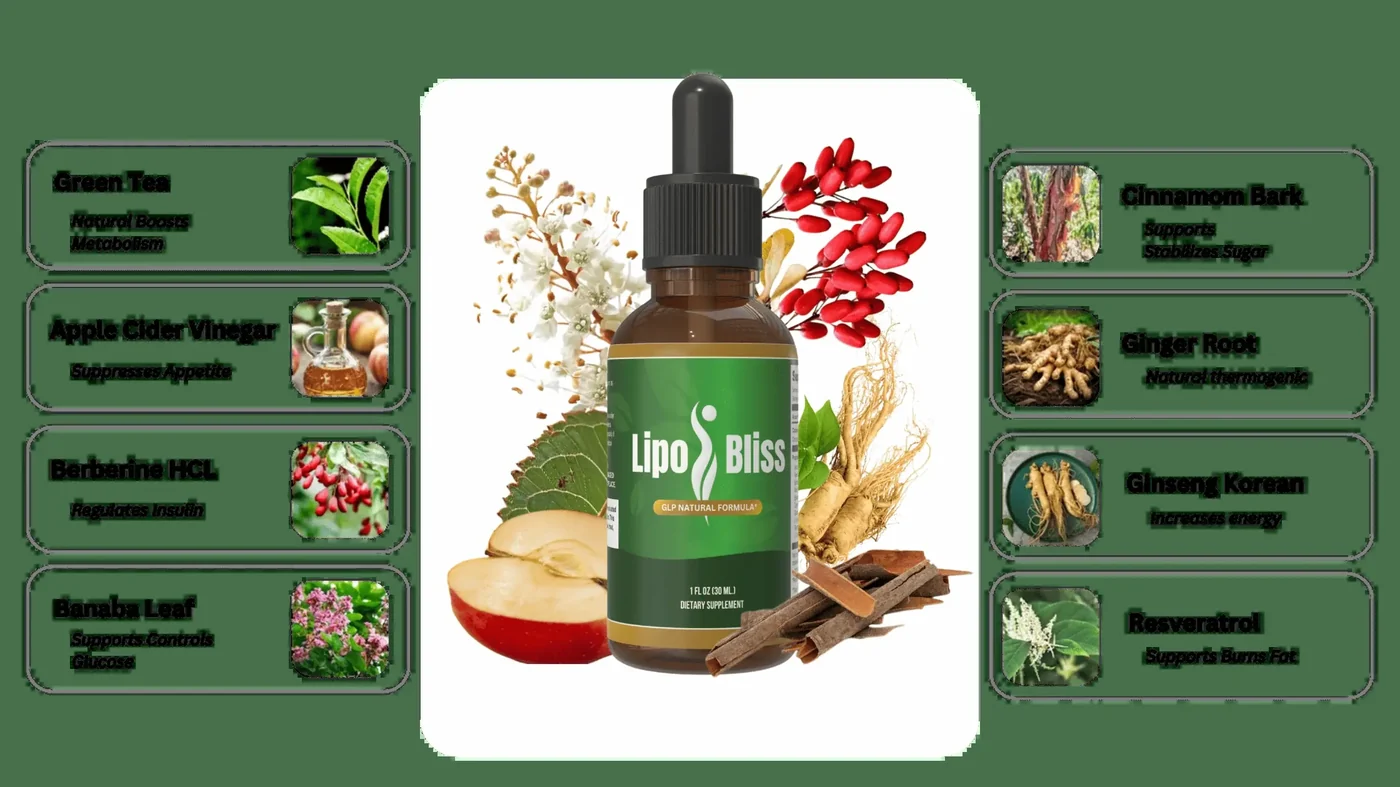
Here is where labels get slippery. A product can boast a big number — say, 1,000 mg of garcinia cambogia per capsule — while being standardised to a low HCA percentage, so the actual dose of the compound that does the work is far smaller than the headline suggests. To compare products honestly, multiply the extract amount by the standardised HCA percentage and look at that figure against the roughly 1,500 mg/day used in studies. A formula that hides the standardisation, or buries garcinia inside a proprietary blend with no individual amount, is not giving you enough to judge it. The same label-reading discipline applies across the category, which is why we always come back to reading the LipoBliss ingredient panel and what is actually inside rather than the front-of-bottle claims.
The single most common way garcinia products mislead is by advertising milligrams of extract while staying quiet about milligrams of HCA. The percentage is the product.
Prefer a formula that shows its work?
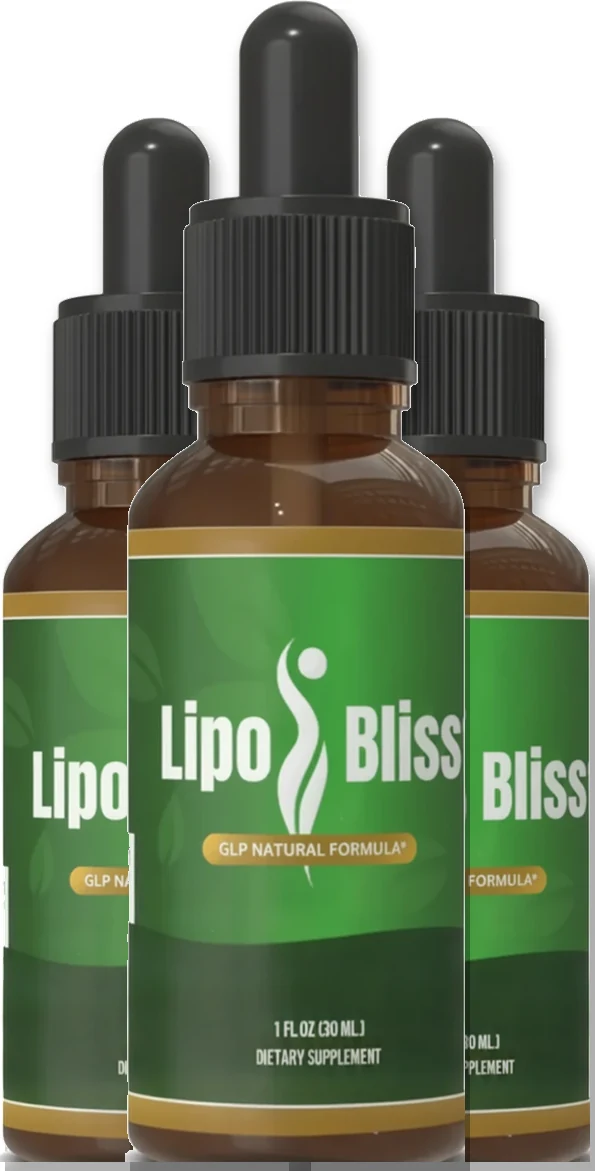
LipoBliss is a once-daily botanical liquid built on berberine, green tea, cinnamon and Panax ginseng. See the full label, the ingredient amounts and the 60-day money-back guarantee on the official store.
See the LipoBliss FormulaWhat the human trials actually found
Now the honest part. Multiple randomised, placebo-controlled trials have tested garcinia or HCA for weight loss, and the results have been pooled in several systematic reviews and meta-analyses. The consistent conclusion is that garcinia produces a small, statistically detectable but clinically modest advantage over placebo — on the order of about two pounds more weight loss across the study periods, which typically ran a few weeks to a few months.
Two pounds. That is the number the hype is built on. And even that average hides a messy picture: several individual trials found no significant difference between garcinia and placebo at all, the studies were often small and short, and the quality varied. Reviewers have repeatedly reached the same measured verdict — a possible modest effect, limited by weak and inconsistent evidence, warranting better trials before anything stronger can be claimed.
None of this makes garcinia a scam ingredient. A small nudge to appetite or fat storage, layered on top of a genuine diet-and-activity effort, is a legitimate supporting role. What it makes garcinia is modest — a supporting player, not a headline act, and certainly not the effortless fat-melting agent it is sold as. If you are also weighing it against other botanicals, our comparison of green tea extract and EGCG for fat metabolism puts two of the most common ingredients side by side.
| Question | Honest answer from the evidence |
|---|---|
| Active compound | HCA (hydroxycitric acid) from the fruit rind |
| Typical study dose | ~1,500 mg HCA/day, split before meals |
| Average effect vs placebo | Roughly 2 lb more over a few weeks — small and inconsistent |
| Proposed mechanisms | May reduce fat storage; may support fullness |
| Evidence quality | Mixed; many small, short trials |
| Main safety flag | Rare liver reports at high doses |
Clearing up two persistent myths
Myth one: “Garcinia blocks fat, so you can eat what you want.” Even taking the fat-storage mechanism at face value, it is a partial, modest effect measured in the lab, not a licence to override your diet. Every trial that showed any benefit did so in the context of participants also managing food and activity. There is no version of the evidence in which garcinia offsets a genuinely poor diet.
Myth two: “It is a fruit, so it must be completely safe at any dose.” Natural origin does not equal unlimited safety. Garcinia is generally well tolerated at typical doses for short periods, but high-dose use has been linked in rare, isolated cases to liver problems — which is precisely why dose and sourcing are not pedantic details. We cover this in the broader LipoBliss side effects and safety guide, and it is the reason “more must be better” is the wrong instinct with this ingredient.
Safety, sourcing and who should be cautious
For most healthy adults, garcinia at the usual doses is well tolerated over short periods. The everyday complaints are mild and familiar: digestive upset, especially on an empty stomach, and occasional headache. Taking it with food and staying at the labelled dose handles most of that.
The caution that deserves genuine respect is the liver one. Rare case reports have linked high-dose garcinia — sometimes alone, sometimes in multi-ingredient “fat burner” stacks — to liver enzyme elevations and, in isolated instances, more serious injury. The protective habits are the same ones that apply to the whole category: choose products that disclose their standardised HCA content and are made to good manufacturing standards, do not exceed the label, and do not quietly stack several products that each contain garcinia or green tea extract. Know the warning signs too — yellowing skin or eyes, dark urine, persistent nausea, unusual fatigue, upper-right abdominal pain — and stop and seek advice if they appear.
Some people should simply check with a clinician before starting: anyone pregnant or nursing, anyone with a liver condition or history of liver trouble, anyone on prescription medication (garcinia may interact with some, and can affect blood sugar), and anyone with a scheduled surgery. This is standard supplement due diligence, not garcinia-specific alarm.
Where garcinia fits in a real plan
So how should a sensible person treat this ingredient? As a minor supporting player with a plausible mechanism and a modest, real-world-small effect — useful only in the context of the things that actually drive weight change. Those things have not moved: a manageable calorie deficit built mostly from whole foods, enough protein, regular movement, decent sleep, and consistency measured in months. Garcinia, at a properly standardised dose, sits on top of that as one small nudge. It does not replace any part of it.
That is also the honest way to think about any formula that includes it. A blend like LipoBliss combines garcinia-style appetite-and-metabolism botanicals with better-supported ingredients such as berberine and green tea, in a once-daily liquid designed to make the daily effort easier to sustain. The value of a formula is not that any single ingredient is a breakthrough — none is — but that it packages several modest, studied supports into one routine you can actually keep. Judge it, and garcinia within it, on that realistic basis. When you are ready to compare the actual amounts and the return terms, you can review the current LipoBliss pricing and 60-day guarantee and decide with the label in front of you.
Frequently asked questions
Does garcinia cambogia really help you lose weight?
The honest answer is: a little, sometimes, and not reliably. Pooled analyses of randomised trials find garcinia cambogia produces on average roughly two pounds more weight loss than placebo over a few weeks, and several trials find no significant difference at all. That is a small, inconsistent effect. It is not nothing, but it is a long way from the dramatic results the ingredient is marketed for, and it only shows up alongside diet and activity.
What is HCA and how does it work?
HCA, or hydroxycitric acid, is the active compound in the rind of the garcinia cambogia fruit. The proposed mechanisms are that it may inhibit an enzyme called ATP-citrate lyase involved in converting carbohydrate into stored fat, and that it may support feelings of fullness, possibly through serotonin pathways. These mechanisms are plausible and studied mostly in the lab and in animals; the human weight results remain modest and mixed.
What dose of garcinia cambogia is used in studies?
Trials most commonly use around 1,500 mg of HCA per day, usually split into two or three doses taken before meals, standardised to a set percentage of hydroxycitric acid. Because products vary widely in how much actual HCA they deliver, the number to read on a label is the standardised HCA content, not just the total milligrams of garcinia extract, which can be misleadingly large.
Is garcinia cambogia safe to take daily?
For most healthy adults short-term use at typical doses is generally well tolerated, with mild digestive upset and headache being the usual complaints. The important caveat is rare: high-dose garcinia has been linked in isolated cases to liver problems. Quality sourcing, correct dosing and not stacking it with other extract-heavy products all matter, and anyone pregnant, nursing, on medication or with a liver condition should check with a doctor first.
References
Related reading
- LipoBliss ingredients: what is actually inside the formula
- Green tea extract and EGCG for fat metabolism
- The full LipoBliss side effects and safety guide
- Berberine and cinnamon for weight and metabolism
See the full LipoBliss formula and terms
Every botanical on the label, the standardised amounts, the current sale pricing and the 60-day money-back guarantee — all on the official store.
Visit the Official Store