Weight-Loss Drops vs Pills: Absorption, Convenience and What Actually Drives Results
Two supplements can contain the same ingredients and reach your body very differently depending on how you take them. Here is how liquid drops and capsules compare on absorption, dosing and convenience — and why the format matters less than the label often implies.
Are weight-loss drops better than pills?
Neither wins in the abstract. Drops can absorb part of a dose under the tongue and skip the dissolve-and-digest step a capsule needs, and they make flexible dosing and travel easier. Capsules give precise pre-measured doses and longer shelf life. The ingredients, the dose and your consistency decide the result far more than the format.
- Sublingual drops may reach the bloodstream faster, but faster is not the same as more effective.
- Drops make it easy to adjust the amount and to keep a routine while travelling.
- Total intake and day-after-day consistency drive outcomes in both formats.
The weight loss drops vs pills debate gets framed as a contest with a single winner, and that framing is where most of the confusion starts. A capsule and a dropper bottle are two different delivery systems for the same job: getting a known amount of an active ingredient into your bloodstream reliably, day after day. Each system does that slightly differently, each has genuine strengths, and neither one rewrites the underlying arithmetic of what actually changes body composition. Let us take the comparison apart honestly, starting with the word that sells the most bottles: absorption.
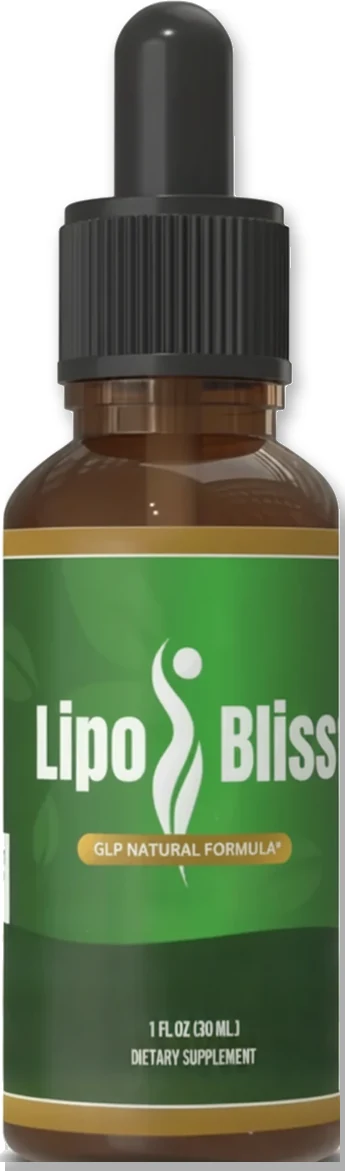
Weight-loss drops vs pills: what "absorption" means
Absorption is one of those words that gets used as a synonym for “works better,” and it is worth slowing down on. The technical term is bioavailability: the fraction of a dose that reaches your circulation in a form your body can use. A swallowed capsule has to complete several steps before any of that can happen. It must disintegrate in the stomach, the ingredients must dissolve, and the dissolved compounds then pass through the gut wall and travel to the liver, where a portion can be metabolised before it ever reaches general circulation. That last step is called first-pass metabolism, and for some compounds it removes a meaningful share of the dose.
A liquid held under the tongue offers a partial shortcut. The tissue there is thin and richly supplied with blood vessels, so certain compounds can pass directly into circulation and skip the digest-and-first-pass route entirely. The word “certain” is doing real work in that sentence, because not every molecule is small enough or fat-soluble enough to cross efficiently under the tongue. The portion that is not absorbed sublingually simply gets swallowed and follows the ordinary digestive path anyway. So a drop is best understood as a hybrid: some of it may take the fast lane, the rest takes the same road a capsule takes.
Do liquid drops absorb faster than capsules?
For the fraction absorbed under the tongue, yes, drops tend to appear in the bloodstream faster, because they skip the disintegration and digestion delay. This is the single most defensible claim the drop format can make, and it is a fair one. But it comes with two honest caveats that the marketing usually omits.
The first is that faster is not the same as more. Speed of appearance in the blood and total amount absorbed over the day are different measurements, and for a daily supplement it is the total that matters, not whether it showed up twenty minutes sooner. The second caveat is that the size of the sublingual advantage depends heavily on the specific ingredient. Some botanical compounds cross the sublingual tissue readily; others barely do, and for those a drop and a capsule end up in much the same place. Anyone who tells you liquids are universally and dramatically better absorbed is overstating a real but ingredient-specific effect. The truthful version is narrower: drops can offer a faster and sometimes more complete route for the compounds suited to it, and no advantage at all for the ones that are not.
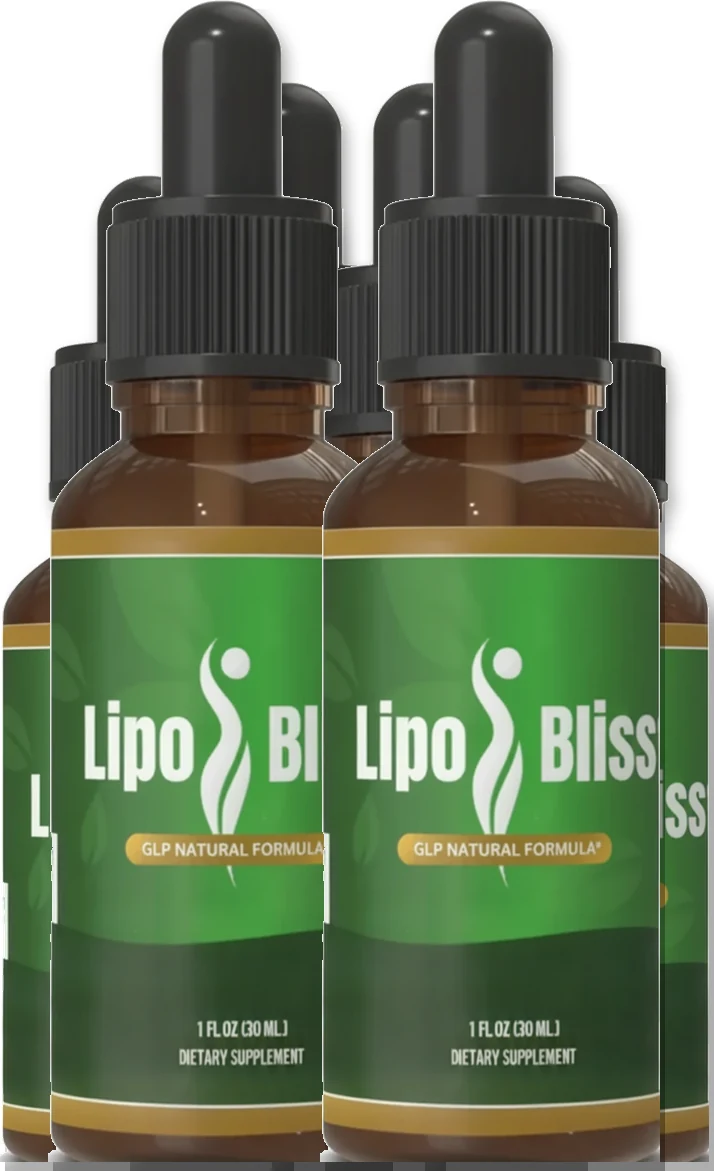
Prefer a drop you will actually remember to take?
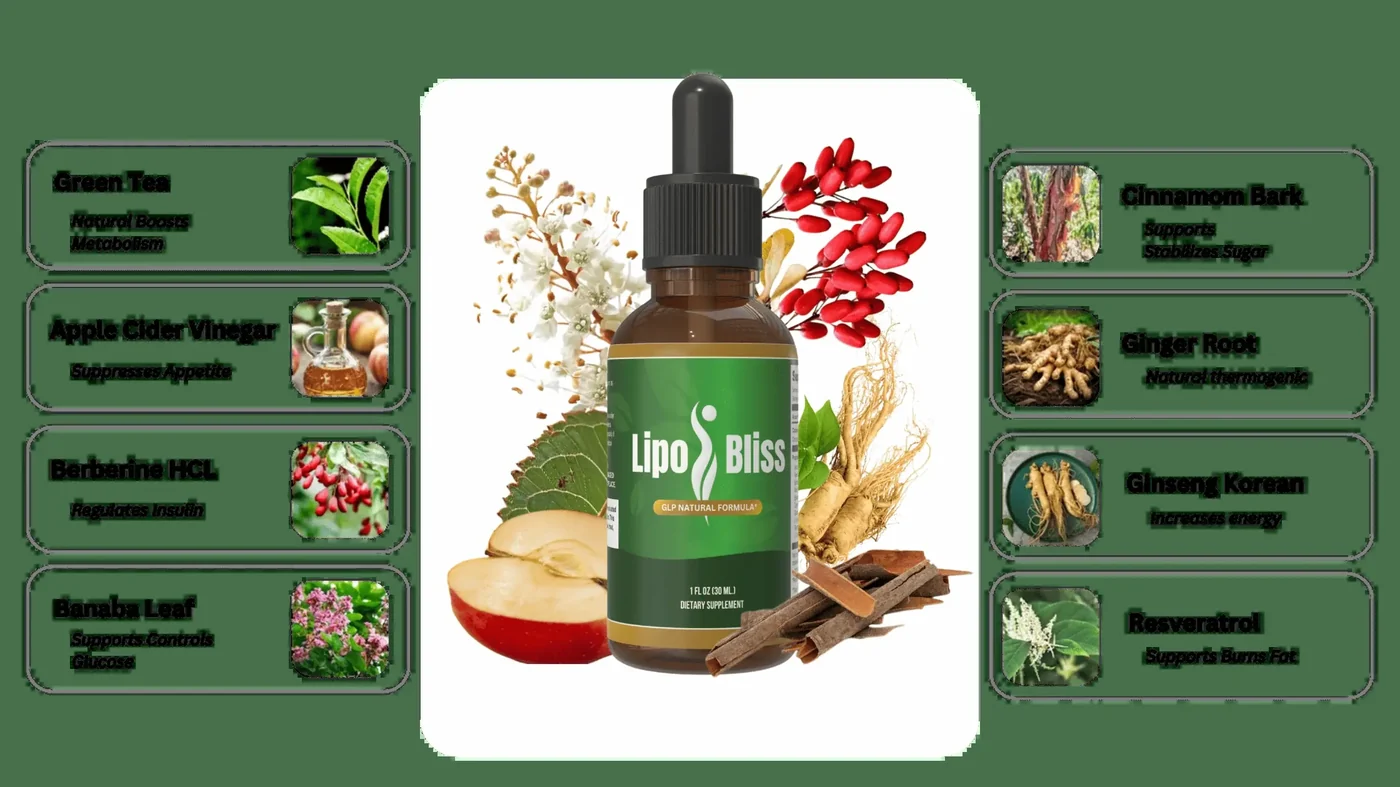
LipoBliss is a once-daily sublingual liquid built around berberine, cinnamon bark, green tea and Panax ginseng. See the current label, the multi-bottle pricing and where to buy it from the official store.
Check AvailabilityWhere the drop format genuinely wins: dosing and travel
Move past absorption and the drop format has two advantages that are far less debatable. The first is dosing flexibility. A dropper lets you take a precise number of drops and adjust it easily — useful when a label suggests starting low and building up, or when you simply want to fine-tune. A capsule is a fixed unit; you take one or you take two, with nothing in between. Liquids let you meet the label where it is rather than rounding to the nearest pill.
The second is portability and ease of use. A small dropper bottle travels well, and a sublingual dose needs no water, which matters more than it sounds. Anyone who struggles to swallow capsules — and that is a large slice of the population, not a rare complaint — finds a liquid genuinely easier to take. Ease of use is not a trivial perk. It feeds directly into the variable that turns out to matter most, which is whether you take the thing at all.
Compliance is the quiet decider
Here is the myth worth dismantling directly: that switching from pills to drops, or the reverse, is the lever that changes results. It almost never is. The lever that changes results is compliance — whether you take your supplement consistently over weeks and months rather than in scattered bursts. A perfectly formulated capsule taken three days out of seven will underperform a mediocre one taken every single day, and no absorption advantage closes a gap that large.
This is where format quietly earns its keep, not through pharmacology but through psychology. A format you find pleasant and easy to take is a format you keep taking. If drops are easier for you to remember and more comfortable to use, that adherence benefit is likely to outweigh any sublingual-absorption difference several times over. If you are the sort of person who never forgets a pill and finds capsules effortless, then capsules are the better format for you for exactly the same reason. The right format is the one you will actually use, and that answer is personal rather than universal.
The best delivery format is not the one with the cleverest absorption claim. It is the one you will still be taking eight weeks from now without thinking about it.
The honest limit: format never beats total intake
It is worth stating the boundary plainly, because the drop category sometimes drifts toward implying otherwise. No delivery format overrides total intake and consistency. A liquid that helps a compound absorb a little more efficiently still cannot outperform the dose it contains, and it cannot substitute for the diet, sleep and movement that do the heavy lifting in any weight-management effort. Format is a delivery detail. It sits several rungs below ingredient quality, correct dosing and your own daily habits on the ladder of what determines an outcome.
This also means results take the same kind of time in either format. If you are weighing up how quickly to expect anything, the format is a side issue; the useful framing is in our guide to how long weight-loss supplements take to work and how to track early signs, which applies equally to drops and capsules. A drop will not compress a timeline that is fundamentally set by physiology and habit.
How to take weight-loss drops correctly
If you do choose a sublingual liquid, using it properly is what lets the format deliver its one real absorption advantage. The method is simple. Use the dropper to place the stated dose under your tongue, hold it there for roughly 30 to 60 seconds before swallowing, and try to take it at the same anchor point each day so it becomes automatic. Holding the liquid rather than swallowing it immediately is the entire point — that pause is what gives the sublingual tissue time to absorb the portion it can.
Beyond that, the rules are unglamorous. Follow the label amount rather than free-styling the dose. Store the bottle as directed, since liquids can be a little more sensitive to heat and light than a sealed capsule. And pick a time you will not skip: attaching the dose to an existing daily habit, like your morning routine, does more for your results than any refinement of timing. Consistency is the ingredient no bottle contains.
Why LipoBliss comes as drops
The choice of a sublingual liquid for LipoBliss follows directly from everything above. The format makes a once-daily dose easy to take without water, easy to split or adjust, and easy to keep up while travelling — all of which support the day-after-day consistency that genuinely moves the needle. It is an adherence and flexibility decision, not a speed promise, and we would rather say that plainly than dress the format up as a shortcut.
What goes into the liquid matters far more than the fact that it is a liquid, which is why the ingredient list deserves its own attention. Our full breakdown of what is inside the LipoBliss formula covers each botanical and the dose caveats we could verify, and if you are ready to compare packages, our guide to where to buy LipoBliss, the cost and the money-back guarantee lays out the current terms. Choose the format that fits your life, then judge the product on its ingredients and your own consistency — that is where the real answer to drops versus pills lives.
Related reading
- LipoBliss ingredients: what is inside the formula
- How long weight-loss supplements take to work
- Where to buy LipoBliss: cost and guarantee
- LipoBliss reviews: does it actually work?
Frequently asked questions
Are weight-loss drops better than pills?
Neither format is better in the abstract; each has strengths. Drops can absorb part of a dose under the tongue and skip the dissolve-and-digest step a capsule must go through, and they make flexible dosing and travel easier. Pills offer precise pre-measured doses and a longer shelf life. What decides your result is the ingredients, the dose and how consistently you take it, not the delivery format alone.
Do liquid drops absorb faster than capsules?
Often, yes, for the portion held under the tongue. Sublingual tissue lets some compounds enter the bloodstream directly, while a capsule must first disintegrate, dissolve and pass through digestion before absorption begins. Faster to appear in the blood is not the same as more effective overall, and the real-world difference varies a lot by ingredient.
How do you take weight-loss drops correctly?
Use the dropper to place the stated dose under your tongue, hold it there for about 30 to 60 seconds before swallowing, and take it at the same time each day so you never miss a dose. Following the label amount and being consistent matters far more than the exact moment of day you take it.
Why does LipoBliss come as drops?
LipoBliss uses a sublingual liquid because the format makes a once-daily dose easy to take, easy to split and easy to travel with, which supports the day-after-day consistency that actually drives results. The drop format is about adherence and flexible dosing, not a promise of faster weight loss.
References
- StatPearls / NCBI Bookshelf — Physiology, Sublingual and Buccal Drug Absorption
- NIH Office of Dietary Supplements — Dietary Supplement Fact Sheets
- U.S. Food & Drug Administration — Dietary Supplements overview
- NIH National Center for Complementary and Integrative Health — Using Dietary Supplements Wisely
See the LipoBliss drop format and current terms
The full ingredient label, the sublingual directions, the multi-bottle pricing and the 60-day money-back guarantee — all on the official store.
Visit the Official Store