LipoBliss vs GLP-1 Weight-Loss Drugs: An Honest Comparison
If you have typed LipoBliss vs GLP-1 into a search bar, you are really asking one question: can a daily supplement do what a prescription injection does? The short, honest answer is no — and understanding exactly why is the fastest way to spend your money well instead of chasing a promise no botanical can keep.
Is LipoBliss the same as a GLP-1 weight-loss drug?
No. GLP-1 drugs such as semaglutide are prescription medications with clinical-trial weight loss behind them. LipoBliss is a non-prescription botanical supplement that supports metabolism, appetite and energy. It complements diet and activity; it does not replace a medication and cannot reproduce a drug's measured results.
- GLP-1 medications act directly on appetite pathways and are trialled for double-digit percentage weight loss.
- LipoBliss is a lifestyle-support product for people already doing the food-and-movement basics.
- The right comparison is complement versus treatment — not weaker version of the same thing.
The weight-loss conversation changed the moment GLP-1 medications went mainstream. Suddenly everyone knew someone who had lost a noticeable amount of weight on a weekly injection, and every supplement on the shelf started to look either miraculous or pointless by comparison. Both reactions miss the point. A supplement and a prescription drug are not two grades of the same product. They are different tools, built to different standards, doing different jobs. This article lays the two side by side without the marketing gloss, so that when you decide, you decide with your eyes open.
What GLP-1 weight-loss drugs actually are
GLP-1 stands for glucagon-like peptide-1, a hormone your gut releases after you eat. It nudges the pancreas to release insulin, slows how quickly the stomach empties, and signals fullness to the brain. GLP-1 receptor agonists — the drug class that includes semaglutide (sold as Ozempic and Wegovy) and newer oral candidates such as orforglipron — are engineered to mimic that hormone and keep the signal switched on far longer than a meal would.
Crucially, these are prescription medications. They were developed, dosed and tested in large randomised clinical trials, they carry regulator-reviewed labelling, and their weight-loss figures come from measured outcomes in thousands of participants rather than from testimonials. They also carry a defined side-effect profile, require medical supervision, and are prescribed for specific situations. When people quote the striking weight-loss numbers associated with this class, they are quoting drug-trial data. That is the standard a supplement is being measured against here, and it is important to name it honestly rather than blur it.
What LipoBliss actually is
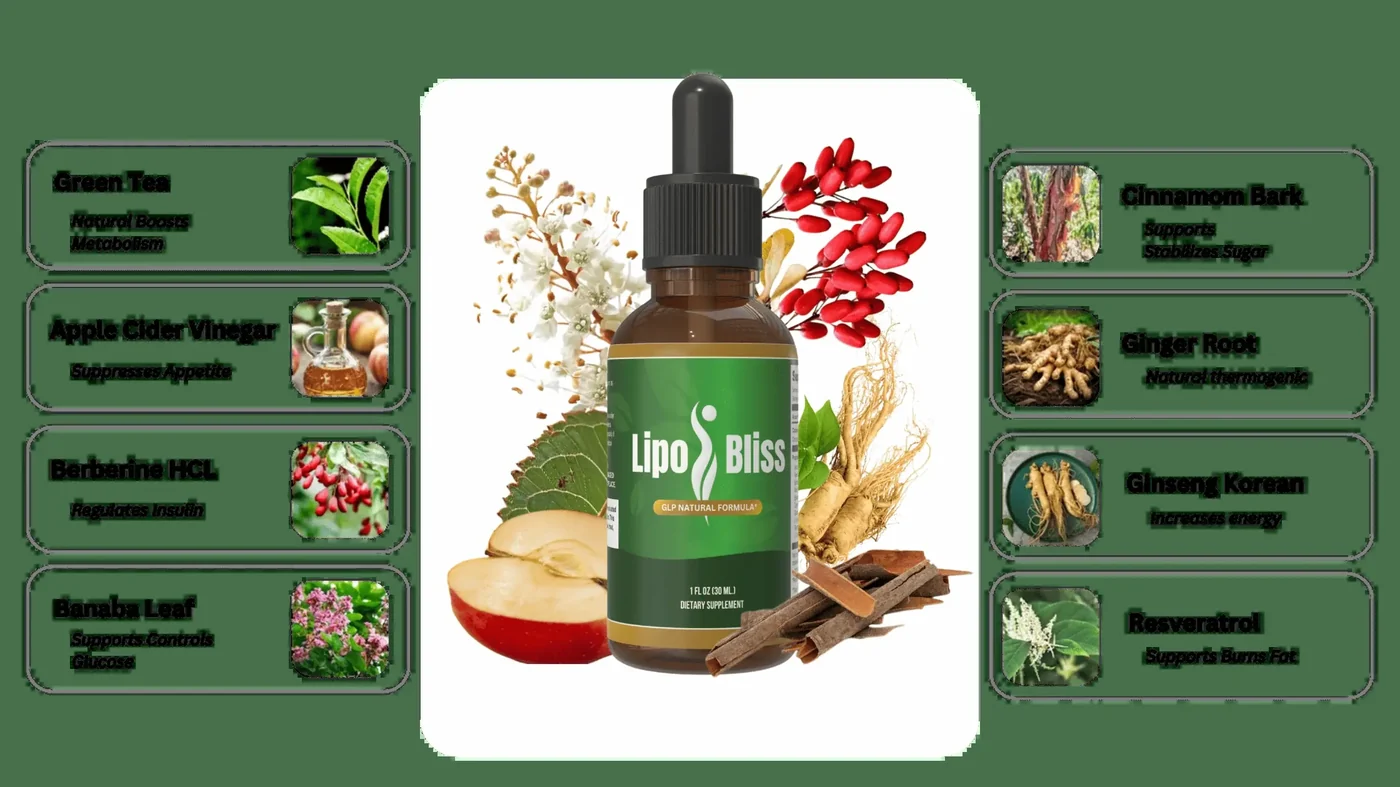
LipoBliss sits in an entirely different category. It is a dietary supplement — a once-daily botanical liquid built around ingredients such as berberine, cinnamon bark, green tea catechins and Panax ginseng. Its job is support: helping the everyday effort of eating a bit less, moving a bit more and keeping energy steady enough that the routine is sustainable. It is bought without a prescription, it is regulated as a food-category supplement rather than a drug, and it makes no claim to diagnose, treat, cure or prevent anything.
That framing is not a weakness to hide; it is the whole point. A good supplement earns its place as a small, consistent nudge layered on top of the behaviours that actually drive results. The berberine and green tea in a formula like this have real, if modest, research on glucose handling and energy expenditure. The honest reading is that these ingredients may help at the margins, over weeks, for someone already doing the fundamentals — and that is a genuinely useful role, just not a pharmaceutical one. If you want the deeper ingredient-by-ingredient picture, our companion piece on berberine, cinnamon and green tea evidence for weight and metabolism grades each one plainly.
LipoBliss vs GLP-1: the honest, side-by-side comparison
Put the two next to each other and the differences are not subtle. They differ in what they are, how strong the evidence is, how you get them, and — most importantly — what you should realistically expect. Reading this table is the single most useful thing you can do before you decide.
| GLP-1 medications | LipoBliss supplement | |
|---|---|---|
| Category | Prescription drug | Non-prescription dietary supplement |
| Main examples | Semaglutide (Ozempic, Wegovy), orforglipron | Botanical blend: berberine, green tea, cinnamon, ginseng |
| Mechanism | Directly mimics an appetite-regulating gut hormone | Supports metabolism, appetite and energy indirectly |
| Evidence base | Large randomised clinical trials | Ingredient-level studies, mostly small and modest |
| Typical result | Substantial, trial-measured weight loss | Marginal support alongside diet and activity |
| Access | Requires a prescription and medical supervision | Bought online without a prescription |
| Best framed as | A medical treatment | A lifestyle-support product |
Notice what the table does not do: it does not pretend LipoBliss belongs in the drug column, and it does not sneer at supplements for being supplements. A supplement that helps you stay consistent for six months is doing something a bottle of hope never could. But it is doing it at the margins, and expecting drug-level numbers from it is the fastest route to disappointment and wasted money.
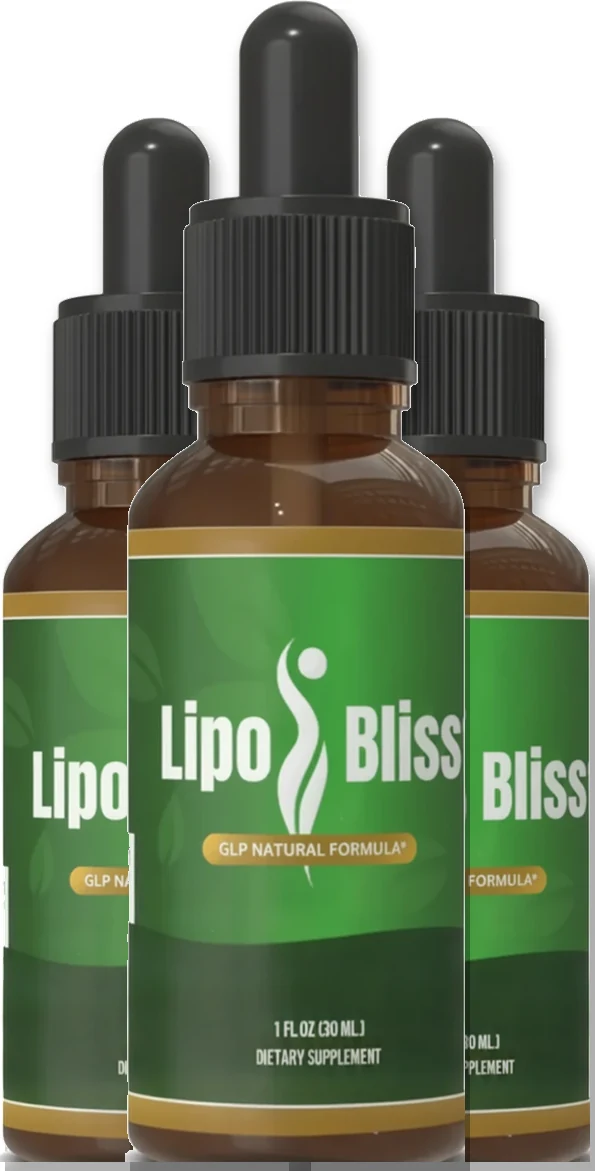
Want the supplement that supports the effort, not a shortcut around it?
See the current LipoBliss label, the full ingredient amounts, today's pricing and the 60-day money-back guarantee on the official store.
Check Availability & PricingThree myths worth clearing up
Myth one: “A supplement is basically a weaker Ozempic.” This is the most common and the most misleading idea in the whole category. A GLP-1 drug and a botanical supplement are not the same molecule at different strengths. They are different things entirely, tested to different standards, working through different mechanisms. LipoBliss does not contain a smaller dose of semaglutide, and no supplement legally could. Framing it as “Ozempic-lite” sets an expectation the product was never built to meet.
Myth two: “Natural means it works the same, just without the prescription.” Natural describes where an ingredient comes from, not how powerful it is. Plenty of natural compounds have real biological effects, and green tea catechins and berberine are among the better-supported ones — but “better-supported” here still means modest, incremental and diet-dependent. Natural is not a synonym for strong, and it is definitely not a synonym for equivalent-to-a-drug.
Myth three: “If it were any good it would need a prescription.” The flip side is just as wrong. Not needing a prescription does not make a supplement useless; it makes it a different category with a different job. Fibre, protein and a good multivitamin do not need prescriptions either, and they earn their place in a plan. The goal is to use each tool for what it is actually good at.
Where LipoBliss genuinely fits
So where does a botanical supplement earn its keep? In the space around the fundamentals. Most people do not fail at weight management because they lack a drug; they fail because consistency is hard — energy dips, appetite spikes in the evening, motivation fades in week three. A support product is aimed squarely at that gap: steadier energy to keep training sessions on the calendar, ingredients that may take a little edge off appetite, and a simple daily ritual that keeps the goal front of mind.
It also fits for people for whom a GLP-1 is simply not on the table — because it is not appropriate for them, not available, not affordable, or not something they want to take. For those readers, a supplement is not a downgrade from a drug they were never going to use; it is a reasonable, low-commitment addition to a lifestyle plan. If you are wondering how quickly any of that shows up, be realistic: our guide to how long weight-loss supplements take to work explains why weeks, not days, is the honest timeframe.
Safety when you are comparing or combining approaches
Because the two categories are so different, the safety questions are different too. GLP-1 medications are supervised by a prescriber for a reason, and if you have been prescribed one, a supplement is not a swap you make on your own. If you are considering LipoBliss alongside any medication — including a GLP-1 — the right move is to check with a pharmacist or doctor first, because botanicals like berberine can interact with how the body handles certain drugs and can affect blood sugar. Bring the actual label so the conversation is about real ingredients and amounts, not the product name. We cover the tolerability picture in detail in the LipoBliss side effects and safety guide.
None of this is a reason for alarm. For most healthy adults a botanical metabolic-support supplement is well tolerated. It is simply a reason to treat “combining approaches” as a decision to make with a professional rather than a box to tick because two things both promise weight loss.
Setting the right expectation before you buy
Here is the mindset that protects both your health and your wallet. Decide what job you are hiring a product to do. If you need a medical intervention, that is a conversation with a clinician about prescription options, and no supplement should pretend to stand in for it. If you want a support product to make an existing diet-and-activity plan a little easier to sustain, LipoBliss is a candidate — judged as a supplement, on the modest terms supplements deliver on, with a guarantee that lets you test it without much risk.
The buyers who are happy months later are almost always the ones who set expectations correctly on day one. They did not expect an injection's results from a dropper. They used LipoBliss as the small, consistent nudge it is designed to be, kept doing the fundamentals, and measured progress over weeks. That is the whole honest pitch: not a shortcut around the work, but a bit of support for the work you are already doing. If that is the tool you are actually looking for, you can compare the current terms and the LipoBliss cost and money-back guarantee before deciding.
Frequently asked questions
Is LipoBliss as effective as Ozempic or Wegovy?
No, and no honest page should tell you otherwise. Ozempic and Wegovy are prescription semaglutide medications with large clinical trials behind their weight-loss figures. LipoBliss is a non-prescription botanical supplement designed to support metabolism, appetite and everyday energy. It works at the margins for people already eating and moving sensibly, not at the level of a drug engineered and trialled for weight loss.
Can I take LipoBliss instead of a GLP-1 drug?
That is a decision for you and your clinician, not a supplement label. LipoBliss is not a replacement for a prescribed medication and cannot reproduce a drug's clinical effect. Some people choose a supplement because a GLP-1 is not appropriate, available or affordable for them; if a doctor has recommended or prescribed a GLP-1, do not stop or swap it on the strength of a supplement.
What can a supplement realistically do vs a prescription?
A supplement can offer supporting nudges: botanicals that may modestly influence appetite, energy and glucose handling, packaged to make a daily routine easier to stick to. A prescription GLP-1 acts directly on appetite-regulating pathways and produces far larger, trial-measured weight loss. The realistic framing is complement versus treatment: LipoBliss supports a lifestyle effort, it does not substitute for medical care.
Is LipoBliss safe alongside other approaches?
For most healthy adults a botanical metabolic-support supplement is well tolerated, but interactions and personal health conditions matter. If you take any medication, including a GLP-1, or you are pregnant, nursing or managing a health condition, check with a pharmacist or doctor before combining approaches. Bring the LipoBliss label so they can see the actual ingredients and amounts rather than guessing from the name.
References
- NIH NIDDK — Prescription Medications to Treat Overweight and Obesity
- NIH NCCIH — Dietary Supplements for Weight Loss: What the Science Says
- NIH Office of Dietary Supplements — Dietary Supplements for Weight Loss
- U.S. FDA — Questions and Answers on GLP-1 Medications
- PubMed — Randomised trials of semaglutide for weight loss
Related reading
- Independent LipoBliss reviews: does the formula actually work?
- How long weight-loss supplements take to work
- The full LipoBliss side effects and safety guide
- Where to buy LipoBliss: cost and money-back guarantee
Ready to try LipoBliss as a support product?
Set the right expectations, then see the current sale pricing, the bundle savings and the 60-day guarantee on the official store.
Visit the Official Store