Gut Health Supplements Green Powders: What the Evidence Supports and What It Does Not
A scoop of green powder is the most photogenic supplement in the cupboard and one of the least tested. This is what a serving actually contains, which claims hold up, and which ones fall apart the moment you look at the nutrition panel.
Quick answer
Greens powders can add vitamins, minerals and plant polyphenols to a diet that is short on vegetables, and that is a real if modest benefit. What they cannot do is replace vegetables, because a typical scoop contains one to two grams of fibre against the twenty-five to thirty grams a day of plants would provide. Almost every disappointment with the category traces back to that single gap.
- Best supported: topping up micronutrients and polyphenols when your diet is genuinely thin on plants.
- Not supported: “equal to five servings of vegetables”, detoxification, alkalising the body, or fat loss.
- Read the panel for fibre grams per serving and for proprietary blends — both tell you more than the ingredient count on the front.
The greens powder category grew from a niche health-food product into one of the biggest sellers in the supplement aisle in about a decade, and it did it largely on aesthetics and convenience rather than on trial data. Search interest in gut health supplements green enough to photograph now rivals interest in probiotics, and the shelf has expanded to match. That does not make the products useless. It does mean the marketing has run a long way ahead of the evidence, and it is worth walking the two back into alignment.
What is actually in a greens powder
Open almost any tub and you will find four groups of ingredients. First, dehydrated vegetables and grasses: spinach, kale, broccoli, wheatgrass, barley grass, alfalfa. Second, algae: spirulina and chlorella, usually present in small amounts despite their prominence on the label. Third, fruit and botanical extracts for polyphenols and flavour: beetroot, acerola, green tea, ginger, citrus. Fourth, a functional layer that varies by brand — digestive enzymes, probiotic strains, adaptogens such as ashwagandha or rhodiola, and prebiotic fibres like inulin.
Most products then add a synthetic or fermentation-derived vitamin and mineral premix, which is where the impressive percentages on the panel usually come from. This is not deceptive in itself, but it does change the story: a lot of the nutritional value in a greens powder is a multivitamin wearing a green coat, and multivitamins are cheap.
Serving sizes typically run between eight and twelve grams. That number is the ceiling on everything else. Whatever is in the tub, you are getting about a tablespoon of it, split across thirty or more listed ingredients.
What gut health supplements green powders actually deliver
Three things are defensible, and it is worth being precise about each.
Micronutrient top-up. If your diet is genuinely low in vegetables, a greens powder will raise your intake of several vitamins and minerals. This is the least glamorous claim in the category and the best supported one. It is also the claim a plain multivitamin satisfies at a fraction of the cost.
Polyphenols and plant compounds. Dried vegetables, berries and green tea do carry polyphenols, and the broad literature on polyphenol-rich diets is genuinely encouraging for cardiometabolic markers. The gap is that this evidence comes from whole diets and single-food interventions, not from mixed powders, and a few hundred milligrams of a dozen extracts is a long way from a dietary pattern.
Convenience. Not a health claim, but the honest reason most people keep buying. A powder that gets stirred into water every morning is a habit that survives busy weeks better than a salad does.
There is also a modest published literature on specific components rather than finished blends. Small randomised trials of concentrated fruit and vegetable powders have reported improvements in some biomarkers — plasma carotenoids most reliably, and occasionally blood pressure or markers of oxidative status. Those trials are small, often industry-funded, and rarely designed to isolate what is driving the result. Anyone searching for the best gut health supplement for bloating and constipation should note that these studies almost never measure bowel symptoms at all.
Looking at metabolic support instead of greens?
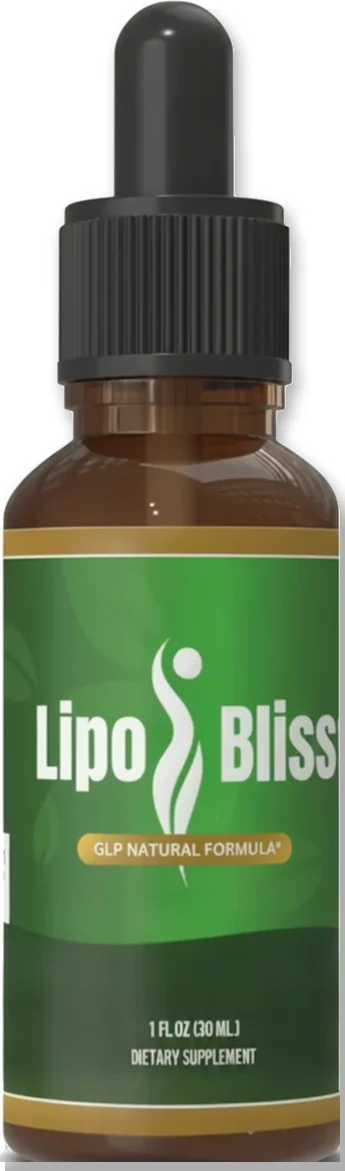
LipoBliss is a once-daily liquid built on berberine, cinnamon bark, green tea and Panax ginseng — different category, different evidence base. See the current label and where to buy weight loss supplements from the official store.
Check AvailabilityThe fibre gap, which is the whole story
If there is one number that explains why greens powders underdeliver on digestive claims, it is fibre. Vegetables work in the gut mostly through fibre: it adds stool bulk, it holds water, it slows gastric emptying, and critically it feeds the bacteria in the colon that ferment it into short-chain fatty acids. That fermentation is the mechanism behind most of the gut-microbiome benefits people are buying a green powder to get.
A ten-gram scoop of a mixed greens powder typically supplies between one and three grams of fibre, and often less once you subtract the filler and premix weight. Adult intake recommendations sit around twenty-five to thirty-eight grams a day, and average intake in most Western countries is roughly half that. A greens powder closes perhaps five per cent of that gap. It is not nothing, but it is not the intervention the marketing implies.
| Option | Fibre per serving | Polyphenols | Relative cost per day | Evidence strength |
|---|---|---|---|---|
| Mixed greens powder (10 g scoop) | ~1–3 g | Moderate, blend-dependent | High | Weak for finished products |
| Two cups mixed vegetables | ~6–8 g | High, with food matrix | Low | Strong, from dietary pattern research |
| Psyllium husk (1 tbsp) | ~5 g soluble | None | Very low | Strong for bowel regularity and cholesterol |
| Inulin / chicory fibre (5 g) | ~4.5 g prebiotic | None | Low | Moderate for bifidobacteria; often causes gas |
| Standard multivitamin | 0 g | None | Very low | Adequate for micronutrient gaps only |
Read that table honestly and the conclusion is uncomfortable for the category: if your goal is bowel regularity, a spoon of psyllium costs a fraction of a greens powder and has a far better evidence file. If your goal is micronutrient insurance, a multivitamin does it more cheaply. The greens powder wins on none of the individual jobs; it wins on doing several of them acceptably in one scoop that tastes drinkable.
A greens powder is a convenience product that has been marketed as a nutrition product. That is not a scandal — convenience has real value — but it should be priced and judged as what it is.
Proprietary blends and the dose problem
Almost every product in the category uses proprietary blends: a single milligram figure covering ten, twenty or thirty ingredients listed in descending order of weight. The practice is legal and it is the single biggest obstacle to evaluating these products.
Consider a “Super Green Blend, 2,400 mg” listing spirulina, chlorella, wheatgrass, barley grass, kale, spinach, broccoli, alfalfa and parsley. If spirulina is 2,200 mg of that and the rest is a dusting, the label is entirely accurate and the product is essentially spirulina. There is no way to tell from outside. When an ingredient with real research behind it — green tea catechins, for instance — appears inside a blend, you cannot know whether the amount resembles a studied dose or a pinch.
The other consequence is label inflation. Listing seventy-five ingredients costs a formulator almost nothing if each is present in milligram quantities, and it reads impressively on a tub. The question worth asking of any product in this category is not how many ingredients it contains but how many it discloses individually.
Safety: the parts nobody advertises
Greens powders are low-risk for most people, but there are four specific issues worth knowing.
Vitamin K and anticoagulants. Leafy greens are concentrated sources of vitamin K, and a daily powder can supply a substantial and consistent amount. For anyone taking warfarin, that matters — not because vitamin K is dangerous, but because dose stability depends on stable intake. This is a conversation to have with a prescriber before starting, not after.
Heavy metals. Plants concentrate what is in the soil, and dried plant powders concentrate it further. Low levels of lead and cadmium are found across the category, including in organic products. Third-party batch testing with published certificates is the only meaningful reassurance available.
Fermentable fibre and gas. Products heavy in inulin or chicory root routinely cause bloating and flatulence in the first weeks, and for people with irritable bowel symptoms the effect can persist. Ironically, a product bought to reduce bloating is a common cause of it.
Oxalate and thyroid considerations. Spinach-heavy powders add oxalate, which is relevant for people with a history of calcium-oxalate kidney stones. Some cruciferous and algae ingredients also warrant caution in thyroid conditions, particularly where iodine content is high and undeclared.
What greens powders cannot do
The claims that fail are worth naming individually, because they recur across almost every brand.
They do not equal five servings of vegetables. The fibre arithmetic above makes that impossible, and the water, volume and satiety of actual vegetables are not reproducible in powder. They do not detoxify anything; the term has no physiological meaning and the liver and kidneys are not waiting for help. They do not alkalise the body — blood pH is held within a very narrow range by respiration and renal function, and no food or supplement shifts it. They do not cause weight loss, and no controlled trial has shown that they do. They do not repair a gut lining, treat any diagnosed digestive condition, or prevent illness.
There is one more limit worth stating: because finished blends are almost never tested as products, nobody — including the manufacturer — knows what a specific tub does. Every claim in the category is an extrapolation from ingredient research to a mixture that was never studied. That is not automatically wrong, but it is the correct way to hold it.
Where a greens powder fits, and where a metabolic formula does
The useful framing is to decide which problem you are solving. If the problem is that you eat almost no plants and are not going to change that this month, a greens powder is a defensible, low-risk top-up — buy one that discloses amounts, publishes third-party testing and does not lean on inulin. What separates the better gut health supplements green powders from the rest is disclosure, not ingredient count. If the problem is bowel regularity, buy psyllium. If the problem is micronutrient coverage, buy a multivitamin.
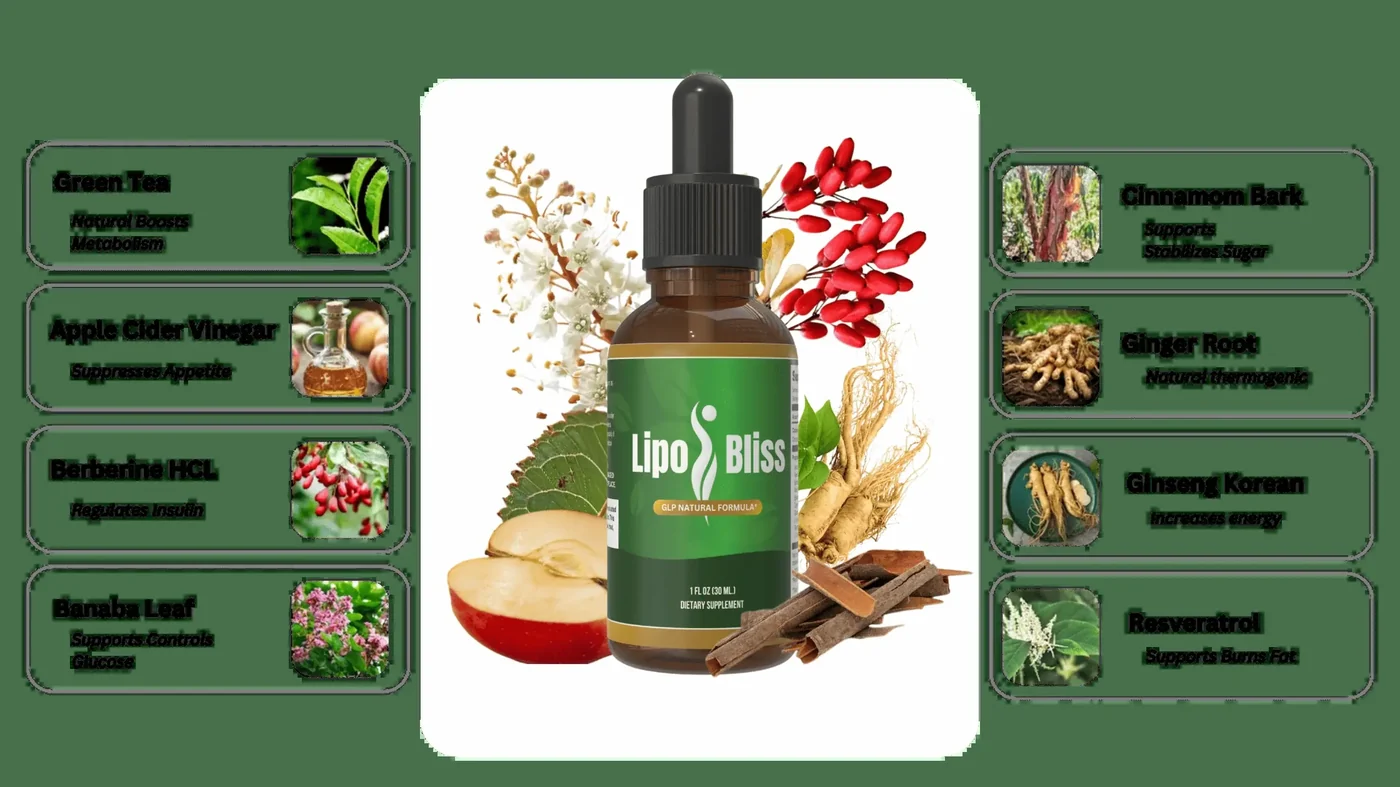
If the problem is appetite, glucose handling or body composition, none of the above is aimed at it, and that is a different aisle entirely. LipoBliss sits in that other aisle: a once-daily liquid built around berberine, cinnamon bark, green tea catechins and Panax ginseng — ingredients with metabolic trial data rather than green-food positioning. The same disclosure test applies there too, which is the point we make ingredient by ingredient in our piece on gut supplements and bad breath, where the mismatch between what a product targets and what people buy it for is even starker.
The closing thought is simple. Nothing in a tub is going to outperform the boring version: more plants, more fibre, more sleep, more walking. Supplements operate at the margin. Judge them at the margin, and the category becomes much easier to shop.
Frequently asked questions
Does a greens powder replace eating vegetables?
No. A typical scoop supplies one to two grams of fibre, while a day of vegetables and fruit supplies twenty-five to thirty grams alongside water, volume and the food matrix that slows digestion. Greens powders can add micronutrients and polyphenols to a thin diet, but they cannot reproduce what vegetables do, and no serious source claims otherwise.
Do greens powders help with bloating?
Sometimes, and sometimes they cause it. Powders containing inulin, chicory root fibre or large amounts of prebiotic can increase gas and distension for the first week or two, and for people with irritable bowel symptoms that effect can persist. If a greens powder makes bloating worse rather than better, the fermentable fibre in it is the first suspect.
Are greens powders tested for heavy metals?
Only if the manufacturer chooses to test and publish. Plant powders concentrate whatever the soil contained, so lead and cadmium turn up at low levels across the category. The practical safeguard is to buy from brands that publish batch certificates of analysis or carry independent third-party certification, and to treat silence on the question as a reason to look elsewhere.
Is it worth taking a greens powder every day?
It depends entirely on your diet. If you eat few vegetables and would not otherwise change that, a daily greens powder is a reasonable low-risk top-up for some vitamins and plant compounds. If you already eat a varied diet with plenty of plants, the evidence that adding one changes anything measurable is very weak, and the money is better spent on food.
References
- Harvard T.H. Chan School of Public Health — Fiber
- NIH Office of Dietary Supplements — Vitamin K Fact Sheet for Health Professionals
- NIH National Center for Complementary and Integrative Health — Dietary Supplements: What You Need To Know
- PubMed — Randomised trials of fruit and vegetable concentrate powders
- Mayo Clinic — Dietary fiber: essential for a healthy diet
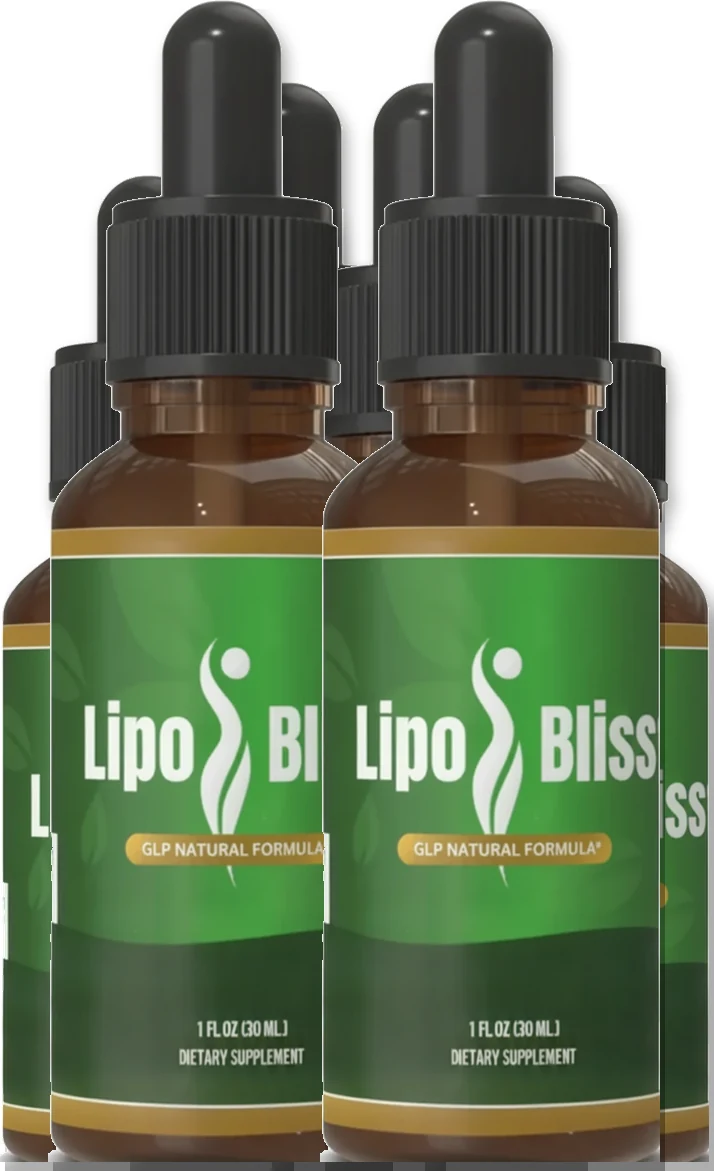
See the full LipoBliss ingredient breakdown
Every botanical on the label, the dose caveats we could not verify, the current sale terms and the 60-day guarantee.
Visit the Official Store