Aloe Vera Inner Leaf in Gut Health Herbal Supplements: Uses and Cautions
Aloe turns up in digestive formulas under three quiet words — “inner leaf gel” — and those three words carry almost the entire safety story. Here is what the inner leaf actually is, what the published human work supports, and the cautions that rarely make it onto a label.
Quick answer
Aloe vera inner leaf is the clear gel scooped from the centre of the leaf, and it is the form used in most gut health herbal supplements. The published human evidence supports a mild soothing effect on the digestive tract and some short-term change in bowel comfort, but the trials are small and the results are inconsistent, so the honest grade is “possible, not proven”.
- Inner leaf is the decolourised gel; aloe latex is the bitter yellow sap under the rind, and the two behave completely differently in the body.
- Evidence is least weak for short-term digestive comfort and effectively absent for anything to do with body weight or fat loss.
- Aloin-containing whole-leaf or latex products are not something to take casually, daily or long term.
Aloe is one of the oldest plants in the herbal cabinet and one of the most frequently mislabelled. Two products can both say “aloe vera” on the front, be made from the same plant, and behave so differently that one is a gentle demulcent and the other is a stimulant laxative that carries a genuine safety file. Anyone comparing gut health herbal supplements needs to be able to tell those two apart in about ten seconds of label reading. That is what this article is for.
What “inner leaf” actually means
An aloe leaf has three layers. The outside is a tough green rind. Directly beneath it sits a thin layer of bitter yellow sap called latex, and inside that sits the clear parenchyma gel — the part everyone pictures when they think of aloe. Those layers are not variations on a theme. They have different chemistry and different effects.
The latex layer is where the anthraquinones live, principally aloin. Anthraquinones stimulate the colon, and that is the mechanism behind aloe’s long history as a purgative. The inner gel contains almost none of it. Instead the gel is roughly ninety-nine per cent water, with the remaining fraction made up of polysaccharides — acemannan and glucomannan are the ones usually named on marketing copy — along with plant sterols, organic acids, small amounts of minerals and a handful of enzymes.
“Inner leaf” or “filleted” on a label means the manufacturer separated the gel from the rind and the latex before processing. “Whole leaf” means they used everything and then, in most reputable products, filtered the result through activated carbon to strip the aloin back out. That second process is called decolourisation, and a whole-leaf extract that has been properly decolourised is not the same thing as one that has not. The word to look for is decolourised, or an explicit aloin specification such as “less than 10 ppm”.
How aloe vera is used in gut health herbal supplements
Across the category, aloe plays one of four roles. The first and most common is as a demulcent: a slippery, film-forming ingredient meant to sit on irritated mucosa, usually paired with slippery elm, marshmallow root, deglycyrrhizinated liquorice or okra extract. The second is as a mild motility ingredient in “regularity” formulas, where it is often combined with magnesium or senna — and where the aloin question suddenly matters a great deal. The third is as a base liquid. Aloe juice is a convenient, palatable carrier for other extracts, which is why it shows up as the first ingredient in a lot of liquid tonics without contributing much of anything. The fourth is pure positioning: aloe reads as natural and soothing, so it earns its place on the panel partly through consumer recognition.
The practical problem in gut health herbal supplements is not aloe itself. It is that aloe is usually buried inside a proprietary blend, where the label declares a single milligram figure for eight or nine ingredients together. That figure tells you nothing. A blend listing 500 mg of “Digestive Botanical Complex” could contain 450 mg of aloe and a dusting of everything else, or the reverse, and there is no way to know from the outside. If you are comparing options and wondering which is the best gut health supplement for your situation, the single most informative thing you can do is put the products side by side and see which one prints individual amounts rather than a blend total.
Form matters too. Aloe is sold as an inner-leaf juice measured in millilitres, as a 1:1 liquid concentrate, and as spray-dried powders concentrated at 100:1 or 200:1 and dosed in milligrams. Those units are not comparable without doing the arithmetic. A 200:1 powder at 100 mg is nominally equivalent to 20 g of fresh gel, which sounds impressive until you notice that the concentration ratio tells you nothing about which constituents survived the drying.
Looking at a botanical formula instead?
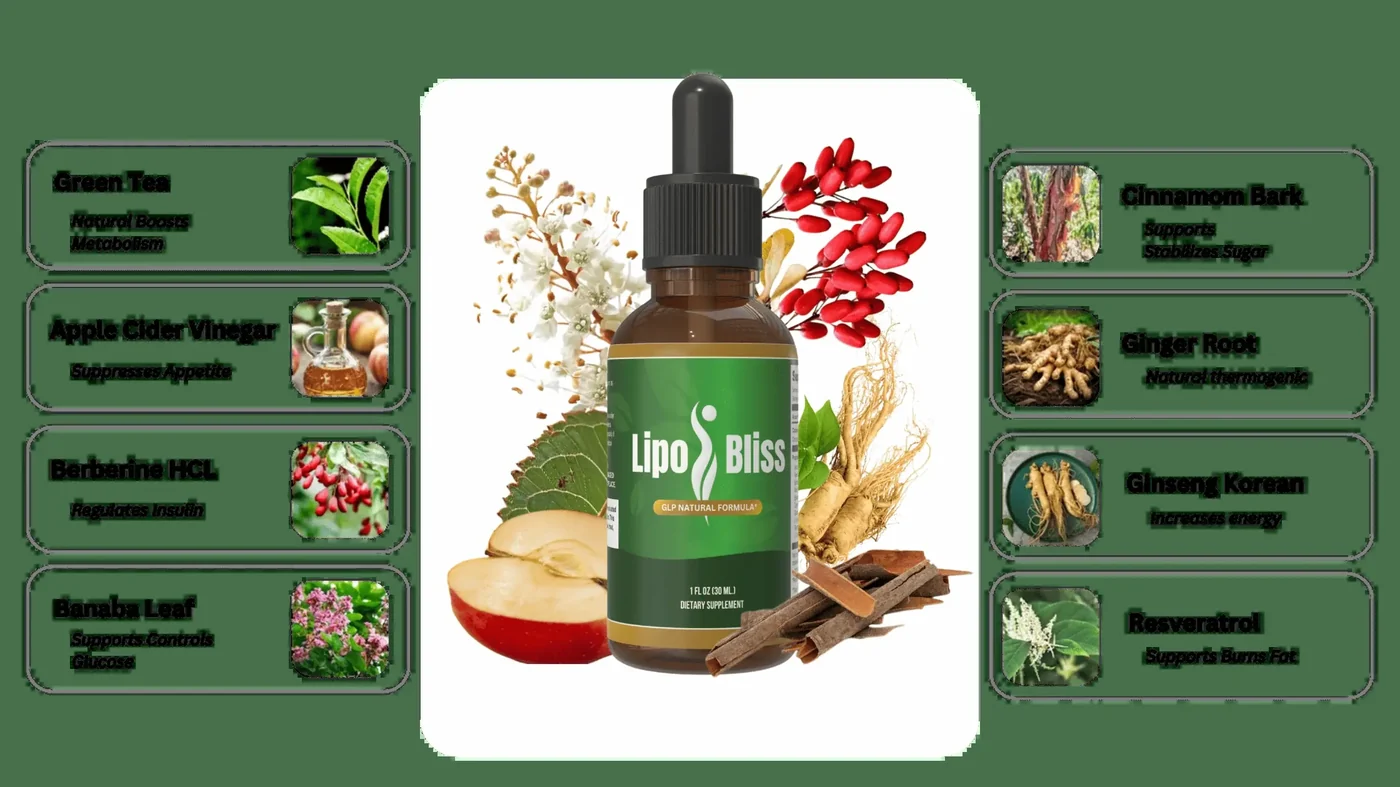
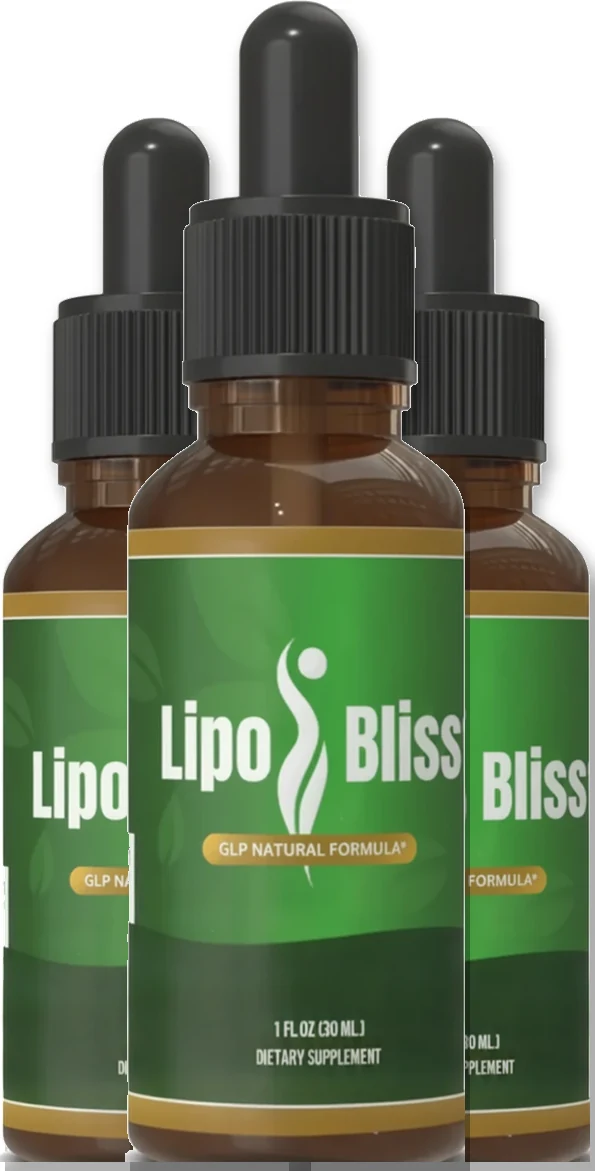
LipoBliss is a once-daily liquid built on berberine, cinnamon bark, green tea and Panax ginseng. See the current label, the full ingredient amounts and where to buy weight loss supplements from the official store.
Check AvailabilityWhat the evidence supports
Aloe has a genuinely long research history, but most of it is topical — burns, wounds, skin. The oral digestive literature is much thinner, and it is worth separating what has been studied from what is claimed.
The most-cited work involves irritable bowel symptoms. Several small randomised, placebo-controlled trials have tested aloe preparations over four to twelve weeks and reported improvement in composite symptom scores, with the effect concentrated in particular subgroups rather than spread evenly. Other trials of similar size found nothing distinguishable from placebo. Pooled analyses of this literature tend to reach the same conclusion each time: a possible benefit, small studies, high risk of bias, more research needed. That is not a dismissal, but it is a long way from established.
A separate and often over-quoted line of work involves inflammatory bowel conditions. A small pilot randomised trial of oral aloe vera gel in people with mildly to moderately active ulcerative colitis reported better symptom scores than placebo. It was a pilot, it was small, and it has not been convincingly replicated at scale. It should be read as a signal worth studying, not as a reason to treat anything with aloe. Nothing in this category substitutes for care from a clinician.
There is also a small trial literature on aloe syrup and reflux symptoms, again reporting reduced symptom frequency over a few weeks, and again limited by size and design. And there is the well-documented laxative effect of aloin, which is not in dispute at all — it is so well established that regulators removed aloe from the list of ingredients permitted in over-the-counter laxative products in the United States in 2002, on the grounds that manufacturers had not supplied the safety and effectiveness data required.
The strongest, most reproducible thing aloe does when taken orally is the one thing supplement labels are least eager to talk about: aloin makes you go to the toilet. Everything gentler than that is supported by evidence that is smaller, softer and easier to overstate.
Inner leaf, whole leaf and latex: the difference that matters
If you take one table away from this article, make it this one. The differences below are the reason two aloe products can produce entirely different experiences.
| Form | What it is | Aloin | Evidence strength | Practical note |
|---|---|---|---|---|
| Inner-leaf gel or juice (filleted) | Clear parenchyma only, rind and latex removed | Essentially none | Weak to moderate for digestive comfort | The form used in most credible gut blends |
| Decolourised whole-leaf extract | Whole leaf, carbon-filtered to strip anthraquinones | Typically under 10 ppm | Weak; usually assumed similar to inner leaf | Acceptable if the label states decolourised |
| Non-decolourised whole-leaf extract | Whole leaf, unfiltered | Variable, can be high | Not supported for general use | Carries the rodent carcinogenicity finding |
| Aloe latex / aloe bitters | Dried yellow sap from beneath the rind | High by design | Strong as a stimulant laxative | Not for routine or long-term use |
| Concentrated powder (100:1, 200:1) | Spray-dried gel concentrate | Depends on starting material | Inherits whatever the source was | Ratio alone tells you nothing about quality |
Dose, form and reading a label honestly
There is no established therapeutic dose for oral aloe inner leaf, which is worth saying plainly because a lot of marketing implies otherwise. Trials have used anything from around 100 mg of a concentrated extract up to 100 mL or more of juice twice daily, and the products on shelves span the same range. When there is no consensus dose, the sensible move is to start at the low end of what a label suggests and stay there for a couple of weeks before deciding anything.
Four things on a label are worth more than the entire front panel. First, the words inner leaf, filleted or decolourised. Second, an aloin specification in parts per million. Third, an individual milligram amount for aloe rather than a proprietary blend total. Fourth, a certification seal from an independent aloe trade body, which at least indicates the raw material was audited. A product that gives you all four is being straight with you. A product that gives you none of them may still be fine, but you are buying on trust.
One more practical note on timing: because aloe is often positioned around bowel comfort, people take it at night. If a product contains any meaningful aloin, night-time dosing is how you discover that at five in the morning. Start in the daytime until you know how a given product behaves.
Cautions, interactions and who should be careful
Aloe’s reputation as harmless comes from the topical gel. Taken by mouth, the picture is more complicated, and the cautions cluster around the laxative fraction.
Repeated stimulant-laxative use can shift fluid and electrolyte balance, and potassium is the one that matters most. That has two knock-on consequences worth knowing about: it can compound the potassium loss caused by certain diuretics, and low potassium increases the risk associated with digoxin. Aloe has also been reported to lower blood glucose in some contexts, which means anyone on glucose-lowering medication should treat it as something to mention to their prescriber rather than something to add quietly.
Beyond that, the standard cautions apply and should not be skipped. Pregnancy and breastfeeding: avoid oral aloe, particularly anything aloin-containing. Active inflammatory bowel disease, bowel obstruction or undiagnosed abdominal pain: do not self-treat with a laxative botanical. Scheduled surgery: stop supplements well in advance and tell the surgical team what you have been taking. Children: not a category for aloe experimentation.
The finding that changed how the industry talks about aloe came from rodent work. A long-term study of non-decolourised whole-leaf extract given in drinking water found evidence of carcinogenic activity in the large intestine of rats. That is animal data at doses not directly translatable to human supplement use, and it does not apply to decolourised or inner-leaf material. But it is the entire reason the inner-leaf and decolourised distinction became a manufacturing standard rather than a marketing nicety, and it is why a label that will not tell you which form it used deserves a raised eyebrow.
What aloe vera inner leaf cannot do
This section exists because the gap between what aloe is studied for and what it is sold for is unusually wide.
It is not a weight-loss ingredient. There is no credible human evidence that oral aloe reduces body fat, and any short-term drop on a scale following an aloin-containing product is stool and water weight returning within a day or two. It is not a detox agent; the phrase has no physiological definition, and the liver and kidneys are not waiting for botanical assistance. It is not a treatment for any diagnosed digestive condition, and describing it that way would be both wrong and unlawful. It does not repair a damaged gut lining in any sense that has been demonstrated in humans, whatever “leaky gut” marketing suggests.
It is also not a substitute for the boring interventions that actually move digestive symptoms for most people: enough dietary fibre from food, enough water, regular movement, consistent meal timing, sleep, and identifying specific trigger foods with a dietitian rather than by guesswork. Aloe sits on top of those, at best.
Where aloe fits next to a metabolic formula
Aloe and metabolic botanicals answer different questions, and it is worth being clear about which question you are actually asking. If the issue is digestive comfort and regularity, aloe inner leaf is a low-risk thing to try, with modest expectations and a two-to-four-week trial window. If the issue is appetite, glucose handling or body composition, aloe is the wrong tool and a formula built around ingredients with metabolic trial data is a more sensible starting point.
That is the category LipoBliss sits in. It is a once-daily liquid built around berberine, cinnamon bark, green tea catechins, Panax ginseng and supporting botanicals — ingredients with a metabolic research base rather than a digestive one. Whether the amounts in any finished blend match the amounts used in trials is a separate question, and one we work through ingredient by ingredient in our piece on magnesium and metabolic health. If you are weighing up options across the category, the useful comparison is not aloe versus berberine — it is which product tells you how much of each it contains, and at what weight loss supplement price per day of use.
The last thing worth saying: a good gut health daily supplement and a good metabolic formula are not competitors, and neither is a shortcut. They are marginal contributions to a picture mostly set by what you eat, how you sleep and how much you move. Anything sold as more than that is selling you the story, not the ingredient.
Frequently asked questions
Is aloe vera inner leaf the same as the aloe juice sold in shops?
Not always. Inner leaf means the clear gel has been separated from the rind and the latex layer before processing. Plenty of drinking juices are made from whole leaf instead, and unless the label says the extract has been decolourised or filtered to remove aloin, it may still carry the stimulant-laxative compounds that the inner leaf does not.
Does aloe vera help with bloating?
The honest answer is that the evidence is thin. Small randomised trials in people with irritable bowel symptoms have reported some improvement in abdominal discomfort and bowel habit, but the studies are small, short and inconsistent, and bloating specifically is rarely the primary outcome. Aloe may help some people feel more comfortable; it is not a reliable answer to bloating.
How long does aloe vera take to work for digestive comfort?
An aloin-containing product acts as a stimulant laxative and can produce an effect within six to twelve hours, which is exactly why it is not the form to take casually. Inner-leaf gel is different: the trials that reported symptom changes generally ran for two to four weeks, so a fair trial period is weeks rather than days.
Can you take aloe vera every day?
Decolourised inner-leaf gel is generally treated as suitable for short-term daily use in the amounts used in supplements, though long-term human safety data is limited. Daily use of an aloin-containing whole-leaf or latex product is a different question and is not advisable, because of the laxative effect, potential potassium loss and the animal data on non-decolourised whole-leaf extract.
References
- NIH National Center for Complementary and Integrative Health — Aloe Vera
- NIH Office of Dietary Supplements — Dietary Supplement Fact Sheets
- PubMed — Randomised trials of aloe vera in irritable bowel symptoms
- Mayo Clinic — Aloe: uses, safety and interactions
- Harvard T.H. Chan School of Public Health — Fiber and digestive health
See the full LipoBliss ingredient breakdown
Every botanical on the label, the dose caveats we could not verify, the current sale terms and the 60-day guarantee.
Visit the Official Store