Gut Health Supplement for Bad Breath: What the Research Shows
Search the phrase and you will be sold a capsule within about four seconds. The research points somewhere else — mostly upward, to the back of the tongue. Here is where breath odour actually comes from, what the probiotic trials found, and when a supplement is simply the wrong tool.
Quick answer
Most persistent bad breath starts in the mouth, not the gut — dental sources account for the large majority of cases, and the single biggest one is bacterial coating on the back of the tongue. That means a swallowed gut health supplement for bad breath is aimed at the wrong location for most people, and the trials that did report improvement used oral strains delivered as lozenges that dissolve in the mouth.
- Tongue cleaning, flossing and treating gum inflammation address the source in the large majority of cases.
- Studied oral strains include Streptococcus salivarius K12 and M18 and Lactobacillus reuteri, with modest and temporary effects.
- Genuine gut causes — reflux, H. pylori — exist but are a minority, and they need diagnosis rather than a supplement.
Halitosis is one of the few health complaints where the marketing and the science point in opposite directions. The supplement aisle frames it as a digestive problem with a digestive solution. Dental research frames it as an oral-microbiology problem with an oral solution. Understanding why the two disagree makes the whole category much easier to navigate — and saves a lot of money on capsules that never reach the site of the problem.
Where breath odour actually comes from
The smell in persistent halitosis is produced almost entirely by volatile sulphur compounds: hydrogen sulphide, methyl mercaptan and dimethyl sulphide. These are metabolic by-products of anaerobic bacteria breaking down proteins — food debris, shed cells, blood proteins from inflamed gums — into sulphur-containing fragments.
Those bacteria need three things: protein to work on, a low-oxygen environment and somewhere to sit undisturbed. The posterior dorsum of the tongue provides all three perfectly. Its papillae create a vast textured surface, saliva flow across it is limited, and most people never clean it. Periodontal pockets around inflamed gums are the second major reservoir, for the same reasons plus a constant supply of proteins from inflammatory exudate.
Dental literature consistently attributes the large majority of persistent halitosis to these intra-oral sources. The remaining fraction splits between ear, nose and throat causes — chronic sinusitis, post-nasal drip and tonsil stones, which are compacted debris in the tonsillar crypts and produce a smell out of all proportion to their size — and a genuinely small share attributable to the gastrointestinal tract or to systemic conditions.
The gut cases: real, but a minority
Gastrointestinal causes of halitosis do exist, and dismissing them entirely would be as wrong as the marketing that centres them.
Gastro-oesophageal reflux is the most common. When stomach contents reach the oesophagus and pharynx, they carry odour with them, and the resulting inflammation can add its own. This usually announces itself with heartburn, regurgitation, a sour taste or a chronic cough. Helicobacter pylori infection is a second documented association; the organism produces sulphur compounds directly, and eradication has been reported to improve breath in people who were infected. Rarer structural causes include a Zenker’s diverticulum, a pouch in the upper oesophagus where food can lodge and decompose.
What is notable about all three is that they are diagnoses, not lifestyle categories. None is addressed by a general digestive supplement, and using one to paper over reflux symptoms delays the assessment that would actually identify the cause.
There is a further consideration that gets less attention than it deserves. Very low-carbohydrate diets raise circulating ketones, and acetone is exhaled through the lungs, producing a distinctive sweetish or nail-polish smell that no amount of brushing touches. It is not bacterial, it is not dental, and it is not something a supplement fixes — it is a metabolic state, and it resolves when carbohydrate intake rises. Anyone who developed breath changes at the same time as starting a very low-carb approach for weight management has probably found their answer.
Looking for metabolic support, not breath support?
LipoBliss is a once-daily liquid built on berberine, cinnamon bark, green tea and Panax ginseng. See the current label and where to buy weight loss supplements from the official store.
Check AvailabilityWhat the probiotic research shows
There is a real trial literature here, and it is more specific than the marketing suggests.
The most studied organism is Streptococcus salivarius K12, a strain isolated from the mouths of people who do not develop halitosis. It produces bacteriocins that suppress the sulphur-producing species, and small randomised trials have reported reductions in volatile sulphur compound readings and in organoleptic scores — the standard method in which a trained assessor rates breath odour directly. S. salivarius M18 has been studied similarly, with more of its data concerning plaque and gum health. Lactobacillus reuteri and Lactobacillus salivarius have both been tested in lozenge form with reported reductions in odour compounds and in tongue coating.
Three caveats define what those results mean. First, delivery: the benefit was observed with lozenges, chewable tablets or rinses that keep the organism in contact with the oral cavity. A capsule swallowed whole delivers its contents to the intestine, which is not where the problem is. Second, duration: effects generally faded within weeks of stopping, because these strains are transient colonisers rather than permanent residents. Third, magnitude: reductions were statistically detectable but modest, and no trial has shown a probiotic outperforming basic mechanical cleaning.
Every probiotic trial that improved breath put the bacteria where the smell is made. That single design detail explains most of the gap between what the research supports and what the supplement aisle sells.
Choosing a gut health supplement for bad breath
If, having read the above, you still want to try a product, there are ways to make it a more sensible bet. The first question is delivery format. A lozenge, chewable or oral rinse that dissolves slowly in the mouth matches the studied route; a delayed-release capsule engineered to survive stomach acid explicitly does not. The second is strain-level labelling. “Probiotic blend” is not information. A strain designation such as K12 or M18 alongside a colony-forming unit count is.
The third question is timing. Products designed to colonise the mouth are usually taken after brushing at night, so that the organisms have the longest undisturbed contact with the tongue and teeth. Taking one with a meal, or with a mouthwash containing chlorhexidine, undercuts the mechanism entirely. The fourth is expectation setting: two to four weeks is a reasonable trial, after which either the odour readings and other people’s reactions have changed or they have not.
It is also worth naming what tends to be in these products that is not doing much. Chlorophyll, parsley extract, peppermint oil and fennel are common inclusions with a long folk history and very little controlled evidence for persistent halitosis; they mask odour temporarily rather than reducing production. Zinc compounds are a partial exception — zinc ions bind sulphur compounds directly, which is why zinc-containing rinses and lozenges have measurable short-term effects, though again this is neutralisation rather than a fix. Anyone comparing options for the best gut health supplement for bad breath is really comparing two different jobs: masking and source control.
| Approach | Where it acts | Typical form | Duration of effect | Evidence strength |
|---|---|---|---|---|
| Tongue scraping and flossing | Tongue dorsum, gum line | Mechanical, daily | Hours; cumulative with habit | Strong |
| S. salivarius K12 / M18 | Oral cavity | Lozenge or chewable | Weeks, while continued | Moderate but small trials |
| L. reuteri / L. salivarius | Oral cavity | Lozenge | Weeks, while continued | Weak to moderate |
| Zinc lozenges or rinses | Oral cavity | Lozenge, rinse | Hours | Moderate for neutralisation |
| Swallowed multi-strain capsule | Intestine | Capsule | Not demonstrated for breath | Very weak for halitosis |
| Chlorophyll, parsley, mint | Oral cavity, briefly | Capsule, gum, spray | Minutes | Very weak; masking only |
The things that are not a supplement problem at all
A surprising share of persistent breath complaints resolve once one of these is identified, and none of them responds to a capsule.
Dry mouth. Saliva is the mouth’s own cleaning system, and reduced flow means less clearance and more bacterial activity. It is the reason morning breath exists at all. Chronic dry mouth is commonly a medication side effect — antihistamines, many antidepressants, diuretics and blood pressure drugs are frequent culprits — and it can also follow mouth breathing, dehydration or certain conditions. Fixing the dryness fixes the breath.
Tonsil stones. Small, foul-smelling calcified plugs in the tonsillar crypts. They produce an odour far out of proportion to their size and are entirely unaffected by anything taken orally as a supplement.
Undiagnosed gum disease. Bleeding when brushing is not normal, and inflamed periodontal pockets are both a cause of odour and a reason to see a dentist rather than a supplement retailer.
Diet and habits. Garlic and onion compounds are absorbed and exhaled through the lungs for many hours, which is why brushing does not touch them. Alcohol dries the mouth. Smoking does both, and adds its own residue.
What no supplement in this category can do
Being direct about the ceiling saves both money and time.
No supplement removes tongue coating; that requires a scraper or a toothbrush. No supplement treats gum disease, and none should be described that way. No supplement diagnoses or resolves reflux or an H. pylori infection, both of which need a clinician. No swallowed capsule has been shown to reduce oral volatile sulphur compounds, because the organisms in it never arrive at the site. And no product in this category should be presented as curing halitosis — a supplement may support a cleaner oral environment, and that is the honest limit of the claim.
The evidence gap is worth stating plainly rather than hedging. Trials in this area are small, short and frequently sponsored by the companies producing the strain. Results have not been replicated at the scale that would make them dependable. If somebody tells you a probiotic reliably eliminates bad breath, they are describing a product, not a literature.
Where this leaves a botanical metabolic formula
It leaves it out of the conversation, and saying so is the honest thing to do. LipoBliss is a once-daily liquid built around berberine, cinnamon bark, green tea catechins and Panax ginseng, formulated for metabolic and appetite support. It is not a breath product, it is not an oral probiotic, and it would be wrong to imply that it addresses halitosis.
The one genuine connection is worth flagging for anyone using a botanical formula alongside a low-carbohydrate approach: if breath changes appeared at the same time as a sharp reduction in carbohydrate intake, ketone production is the likely explanation rather than anything in the supplement. That is a metabolic signal, not a hygiene failure, and it settles as eating patterns settle. For the wider question of what these botanicals are and are not supported for, our read on berberine and cinnamon grades each ingredient on the same honest scale used here.
The practical order of operations for persistent bad breath has not changed in decades and does not involve a supplement at step one. Clean the tongue. Floss. See a dentist if it persists past a couple of weeks. Check your medication list for anything drying. Only then, if you want to, try an oral strain in lozenge form with modest expectations. It is a less appealing plan than a capsule, and it is the one supported by evidence.
Frequently asked questions
Can bad breath really come from the gut?
Sometimes, but far less often than the internet suggests. Dental sources account for the large majority of persistent halitosis, mostly bacteria on the back of the tongue and around the gum line. Genuine gastrointestinal causes exist, including reflux and Helicobacter pylori infection, but they are a minority and usually come with other symptoms such as heartburn, nausea or indigestion.
Do probiotics work for bad breath?
The trials that reported a benefit used oral strains delivered as lozenges or chewables that dissolve in the mouth, not capsules swallowed for the gut. Improvements in volatile sulphur compound readings were mostly short-lived and faded within weeks of stopping. The effect is real but modest, temporary, and specific to how the product is delivered.
Which probiotic strains have been studied for halitosis?
The most studied are Streptococcus salivarius K12 and M18, followed by Lactobacillus reuteri and Lactobacillus salivarius. These are oral-cavity colonisers, which is the point: they were selected because they compete with the tongue bacteria that produce odour compounds, not because they do anything useful further down the digestive tract.
When should bad breath be checked by a professional?
Book a dental appointment first if breath odour has persisted for more than a couple of weeks despite good brushing, flossing and tongue cleaning. See a doctor rather than reaching for a supplement if it comes with bleeding gums, a persistently dry mouth, heartburn, unexplained weight change, a sore throat that will not settle, or a metallic or fruity smell, which can point to something needing proper assessment.
References
- PubMed — Randomised controlled trials of probiotics in halitosis
- NIH National Institute of Dental and Craniofacial Research — Gum Disease
- Mayo Clinic — Bad breath: symptoms and causes
- NIH National Center for Complementary and Integrative Health — Probiotics: What You Need To Know
- Harvard T.H. Chan School of Public Health — The Microbiome
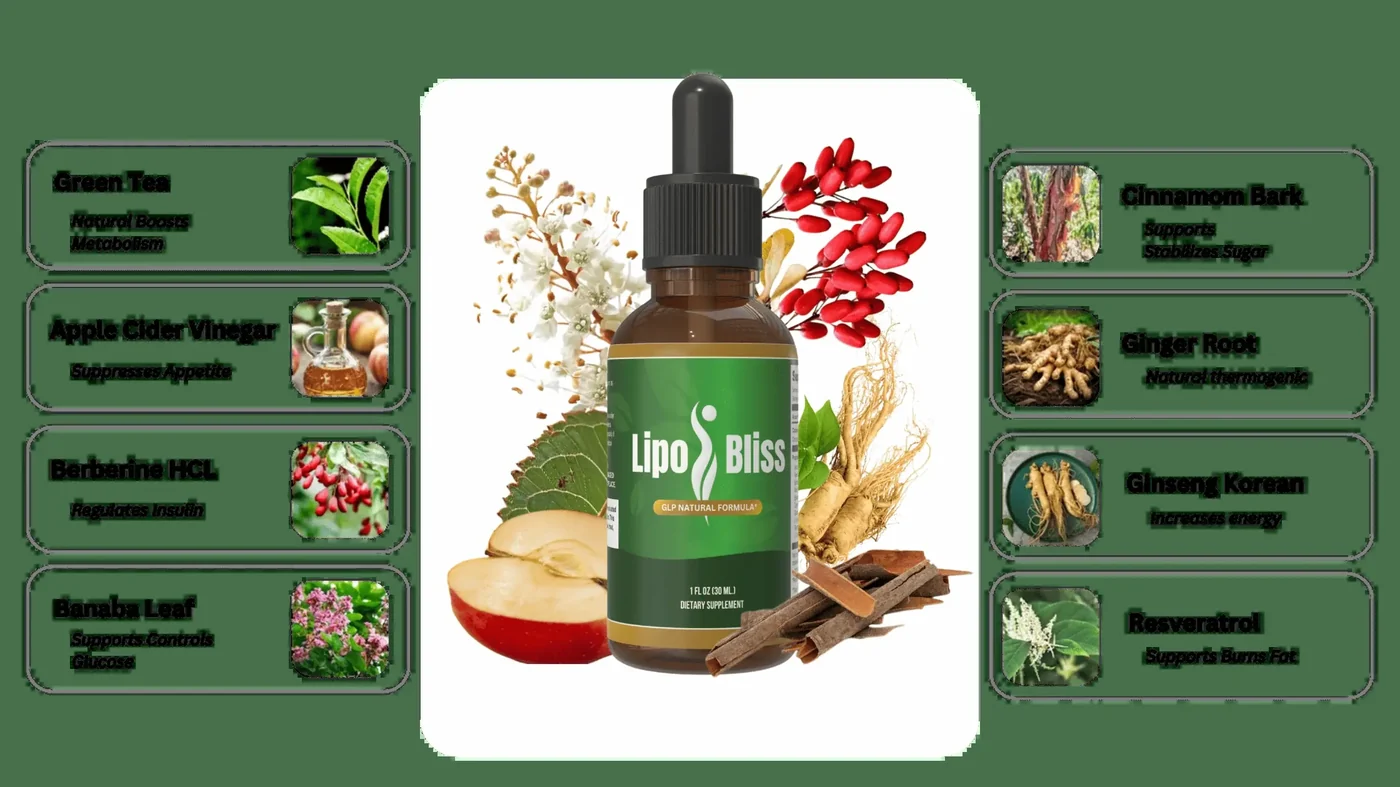
See the full LipoBliss ingredient breakdown
Every botanical on the label, the dose caveats we could not verify, the current sale terms and the 60-day guarantee.
Visit the Official Store