Who Should Not Take LipoBliss Drops: Chromium Picolinate and Medication Interactions to Know
LipoBliss's label discloses exactly one individual ingredient amount: 7 mcg of chromium picolinate. That number is small, but chromium picolinate as an ingredient has a real, published interaction history with certain medications. Here is what the seller's own FAQ says, and what the research behind it actually shows.
Quick answer
LipoBliss's seller advises, in the product's own FAQ, that people taking medication for blood sugar, blood pressure or thyroid conditions should consult a physician before use. That advice lines up with published literature on chromium picolinate specifically: case reports describe hypoglycemia in people combining it with glucose-lowering medication, and controlled trials of chromium picolinate at doses well above LipoBliss's 7 mcg have shown measurable glucose- and HbA1c-lowering effects in people with type 2 diabetes. This article lays out that evidence and its limits, without overstating what a 7 mcg dose specifically has been shown to do.
- The seller's own FAQ names blood sugar, blood pressure and thyroid medication as reasons to consult a physician first.
- Case reports and trials of chromium picolinate, generally at doses far above 7 mcg, document real glucose-lowering and interaction effects.
- LipoBliss's disclosed chromium amount is small relative to those studied doses; that reduces but does not eliminate the reason for caution the seller itself names.
Most weight-management supplement reviews spend their safety section on generic boilerplate: talk to your doctor, don't exceed the recommended dose, stop if you notice side effects. That advice is true and also not very useful on its own. This article does something narrower and more useful: it takes LipoBliss's one disclosed ingredient amount — chromium picolinate, 7 mcg — and walks through what is actually published about that specific ingredient's interaction profile, so the seller's generic caution has some real evidence behind it.
What the seller itself says about who should check first
LipoBliss's sales page FAQ states that the product is a dietary supplement “not intended to diagnose, treat, cure, or prevent any disease, including obesity,” and specifically advises consulting a physician, especially for people taking medication for blood sugar, blood pressure or thyroid conditions. The footer disclaimer repeats the standard FDA-required language: statements have not been evaluated by the FDA, and the product is not intended to diagnose, treat, cure or prevent disease.
That is the seller's own guidance, not an assumption we are adding. What follows is an explanation of why that specific set of conditions — blood sugar, blood pressure, thyroid — is exactly the set you would expect a chromium-containing formula to flag, based on what is published about chromium picolinate.

What chromium picolinate is, and why formulas use it
Chromium is an essential trace mineral, meaning the body requires small amounts of it for normal function, particularly in relation to insulin signaling. Chromium picolinate is a specific chromium compound — chromium bound to picolinic acid — chosen for supplements because it is reasonably well absorbed compared with some other chromium forms. It shows up in weight-management and blood-sugar-support formulas because of research suggesting a role in insulin sensitivity, and because the Daily Value framework gives it a percentage figure (35 mcg for adults) that is easy to print on a label, which is presumably why LipoBliss chose to disclose it individually while leaving its botanicals inside an undisclosed blend.
LipoBliss's 7 mcg represents 20% of that Daily Value. For context, that is a modest amount: many single-ingredient chromium picolinate supplements provide 200 to 1,000 mcg per serving, and most of the clinical research on chromium and glycemic control has used doses in that higher range, not amounts near 7 mcg. That difference in magnitude matters for how the following research should be read — it documents what chromium picolinate as an ingredient can do at the doses that have actually been studied, not a specific claim about what 7 mcg will do.
What the published interaction literature shows
The core safety concern with chromium picolinate is its potential to lower blood glucose, which becomes clinically relevant specifically in people already taking medication that lowers blood glucose. Several sources in the peer-reviewed literature document this.
A case report published in the journal Psychosomatics described chromium-induced hypoglycemia in a patient (Bunner SP, McGinnis R. Psychosomatics, 1998, PMID 9664781). A second case report, published in the journal Hormones, described hypoglycemia possibly mediated by chromium salt medication (Bharmal SV, Moyes V, Ahmed S, Grossman A. Hormones (Athens), 2010, PMID 20687403). Case reports describe individual patient events rather than controlled trial data, so they cannot establish how common such an effect is, but they are the kind of clinical observation that regulatory and pharmacy references use to flag a plausible interaction worth monitoring.
Controlled trial evidence points the same direction, at meaningfully higher doses than LipoBliss discloses. A randomized, double-blind, placebo-controlled trial of 348 people with type 2 diabetes and elevated HbA1c tested a combination of 600 mcg of chromium (as chromium picolinate) plus 2 mg of biotin daily for 90 days, and found the treated group had significantly lower HbA1c and glucose compared with placebo (Albarracin C, Fuqua B, Geohas J, Juturu V, Finch MR, Komorowski JR. Journal of the CardioMetabolic Syndrome, 2007, PMID 17684468). That trial demonstrates a real, measurable glucose-lowering effect of chromium picolinate at 600 mcg — nearly 86 times LipoBliss's disclosed 7 mcg amount — in people who, by definition, were already managing type 2 diabetes, some of whom were also on other glucose- or lipid-affecting medication.
It is also worth presenting evidence that runs the other way, because a balanced safety review should. A separate double-blind, placebo-controlled trial in patients with poorly controlled, insulin-treated type 2 diabetes found no meaningful difference in HbA1c between chromium picolinate (at 500 or 1,000 mcg daily) and placebo over six months (Kleefstra N, Houweling ST, Jansman FG, Groenier KH, Gans RO, Meyboom-de Jong B, Bakker SJ, Bilo HJ. Diabetes Care, 2006, PMID 16505499). That trial's null result in a specific, harder-to-treat population is a useful reminder that chromium picolinate's glucose effect is not universal or guaranteed — but a null average result in a trial does not rule out an individual hypoglycemic event in a susceptible person, which is exactly what the two case reports above describe.
Taken together: chromium picolinate has a documented, biologically plausible mechanism for interacting with glucose-lowering medication, demonstrated at doses from 500 to 1,000 mcg in trials and in individual case reports. LipoBliss's disclosed amount, 7 mcg, sits far below those studied doses. That reduces the concern; it does not erase the seller's own advice to check with a doctor if you are on blood sugar medication.
Blood pressure and thyroid: why the seller flags those too
LipoBliss's FAQ groups blood sugar medication with blood pressure and thyroid medication as reasons to consult a physician. The chromium literature above is specific to glucose; the blood pressure and thyroid caution is better explained by the formula as a whole rather than chromium alone. Several of LipoBliss's undisclosed-amount botanicals — including Coleus forskohlii, which has documented blood-pressure-lowering activity in its own trial literature, and cayenne pepper — are commonly flagged in supplement-medication interaction references for their potential effect on blood pressure or heart rate. Because LipoBliss does not disclose individual amounts for those ingredients, it is not possible to quantify that risk precisely; it is possible only to note that the category of ingredient (blood-pressure-active botanicals) is present, alongside chromium, which is consistent with why the seller's own FAQ names blood pressure medication as a reason to check first, not just blood sugar medication.
Thyroid medication caution is a more general dietary-supplement practice: several minerals, including chromium, can affect the absorption of thyroid medication like levothyroxine if taken too close together in time, which is why pharmacists commonly advise spacing mineral supplements several hours apart from thyroid medication regardless of the specific product. That is a timing consideration more than a chemical interaction with the drug itself, and it is a reasonable, generic explanation for why the seller lists thyroid medication in the same sentence as blood sugar and blood pressure.
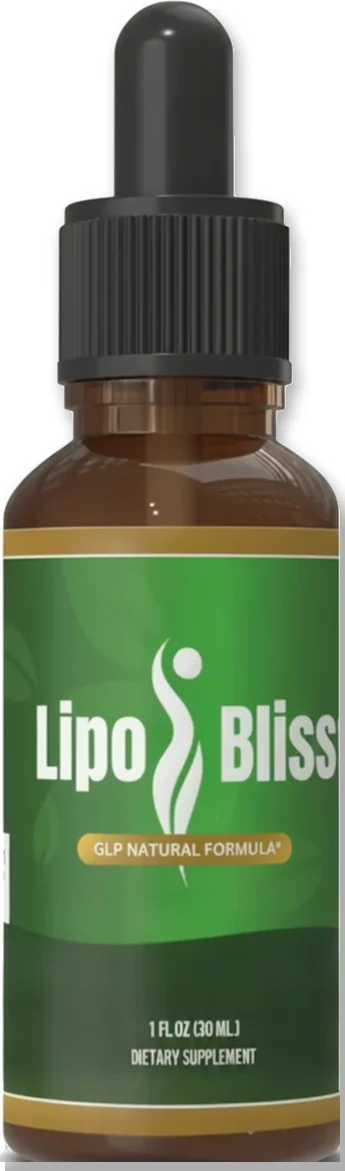
Talk to your doctor first if any of this applies to you
If you take medication for blood sugar, blood pressure or thyroid conditions, check with your prescriber before adding LipoBliss or any new supplement.
Order LipoBlissWho this points to specifically
Based on the seller's own FAQ and the interaction literature reviewed above, the people who most clearly should speak with a physician before taking LipoBliss include: anyone taking insulin, a sulfonylurea (such as glipizide or glimepiride), metformin, or any other glucose-lowering medication, given the documented case reports of chromium-related hypoglycemia and the trial evidence of chromium picolinate's glucose-lowering effect at higher doses; anyone taking blood-pressure medication, given the presence of undisclosed-amount botanicals with their own blood-pressure-related trial literature; anyone taking thyroid medication such as levothyroxine, for the general mineral-timing reason described above; and anyone who is pregnant or nursing, for whom the standard supplement caution applies and for whom this product has not been studied. None of this is a claim that LipoBliss is unsafe for people outside these groups — it is a claim, sourced to the seller's own FAQ and to the published chromium picolinate literature, about which specific groups the available evidence says should not decide alone.
It is also worth restating what this article is not saying. It is not saying 7 mcg of chromium picolinate has been shown, in a trial, to cause hypoglycemia at that specific dose — no such trial exists that we could find. It is saying that chromium picolinate as an ingredient, including at doses that some people layer on top of other chromium-containing products or multivitamins without realizing it, has a real published interaction history, and that stacking several chromium sources together could bring a person's total daily intake closer to the doses where that literature applies, even if any single product's individual amount looks small.
The honest bottom line
LipoBliss's own FAQ gives sound, standard advice: check with a doctor if you're on blood sugar, blood pressure or thyroid medication. That advice is not just boilerplate in this case — it matches a real, PubMed-documented interaction history for chromium picolinate, the one ingredient LipoBliss actually discloses an amount for. The dose LipoBliss provides is small relative to what has been studied, which is a genuine mitigating factor, not a detail to ignore. The responsible reading of all of this is neither “7 mcg is nothing to worry about” nor “chromium picolinate is dangerous” — it is that the seller has already told you which groups should ask a professional first, and the published literature explains why that specific list of conditions is the right one to flag.
Frequently asked questions
How much chromium is in LipoBliss?
LipoBliss discloses 7 micrograms of chromium, as chromium picolinate, equal to 20% of the Daily Value. This is the only individually printed ingredient amount anywhere on the sales page; every other named ingredient is inside an undisclosed 200 mg proprietary blend.
Who does LipoBliss's own FAQ say should talk to a doctor first?
The seller's own FAQ, as read on the sales page, advises consulting a physician especially if you take medication for blood sugar, blood pressure or thyroid conditions. The footer disclaimer also states the product is not intended to diagnose, treat, cure or prevent any disease, including obesity.
Can chromium picolinate interact with diabetes medication?
Case reports in the medical literature describe hypoglycemia (low blood sugar) in patients taking chromium picolinate alongside glucose-lowering medication, and controlled trials of chromium picolinate combined with biotin have shown statistically significant reductions in blood glucose and HbA1c in people with type 2 diabetes. Because LipoBliss's dose is small (7 mcg) relative to the doses studied in these reports, the risk with LipoBliss specifically has not been directly tested, but the mechanism for interaction is documented for chromium picolinate as an ingredient class.
Is 7 mcg of chromium picolinate a meaningful dose?
It is a small dose relative to typical chromium picolinate supplement products, which commonly provide 200 to 1,000 micrograms per serving, and relative to the doses used in most clinical trials, which have generally used 200 micrograms or more per day. At 7 mcg, LipoBliss's chromium content is unlikely by itself to produce the glucose-lowering effects seen in higher-dose trials, though anyone on glucose-affecting medication should still discuss any new supplement with their prescriber rather than assume a small stated amount is automatically inconsequential.
References
- Bunner SP, McGinnis R. Chromium-induced hypoglycemia. Psychosomatics, 1998. PMID 9664781
- Bharmal SV, Moyes V, Ahmed S, Grossman A. Hypoglycaemia: possible mediation by chromium salt medication. Hormones (Athens), 2010. PMID 20687403
- Albarracin C, Fuqua B, Geohas J, Juturu V, Finch MR, Komorowski JR. Combination of chromium and biotin improves coronary risk factors in hypercholesterolemic type 2 diabetes mellitus: a placebo-controlled, double-blind randomized clinical trial. Journal of the CardioMetabolic Syndrome, 2007. PMID 17684468
- Kleefstra N, et al. Chromium treatment has no effect in patients with poorly controlled, insulin-treated type 2 diabetes in an obese Western population: a randomized, double-blind, placebo-controlled trial. Diabetes Care, 2006. PMID 16505499
- NIH Office of Dietary Supplements — Chromium Fact Sheet for Health Professionals
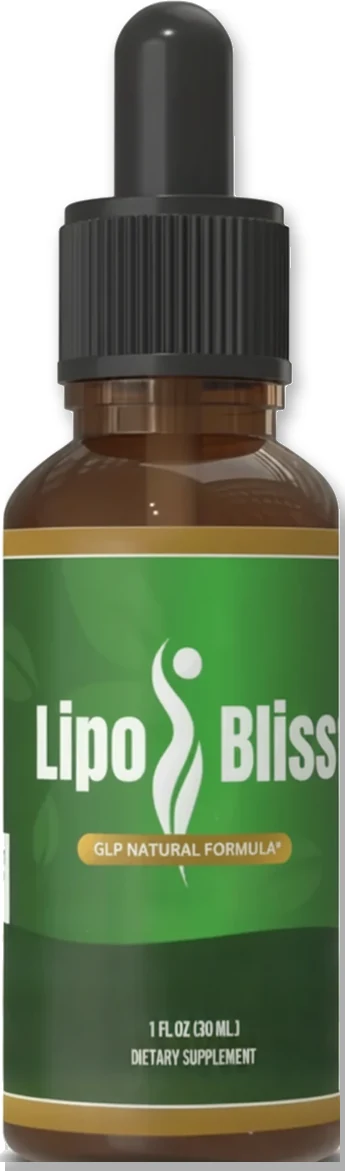
See the current LipoBliss label and pricing
Full ingredient section as printed, current bundle pricing and the 60-day guarantee terms, direct from the official store.
Order LipoBliss